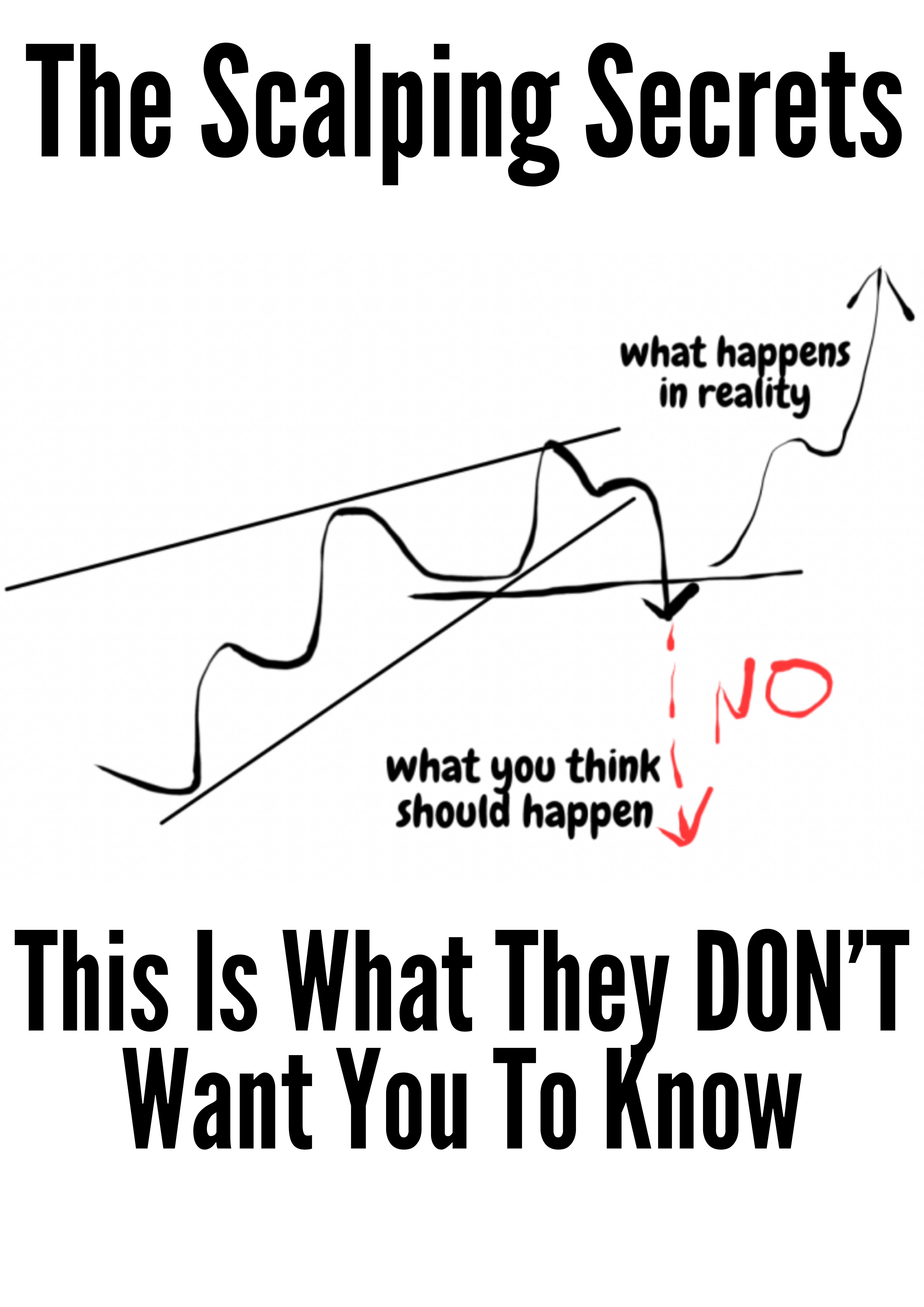
How Long Does It Take to Learn Day Trading?
Learning the mechanics of day trading usually takes 3 to 6 months, but reaching consistent profitability often takes 1 to 2 years or roughly 500 to 1,000 trades. That's why the honest answer isn't just about months on a calendar. It's about how many quality reps you've put in, how well you review them, and whether you can execute under pressure.
Those who inquire about the duration required to learn day trading frequently share a common starting point. They've watched charts, maybe taken a few random trades, maybe opened and closed a demo account three times, and now they want a number they can trust. I get it. You want to know whether this is a six-month skill, a one-year project, or a multi-year grind.
The mistake is treating trading like a course you finish. It's closer to learning a competitive sport. You can learn the rules quickly. You can even look decent in practice. Then real pressure shows up, your decision-making changes, and you find out what you know.
That gap is where most timelines go wrong.
Calendar time matters, but feedback loops matter more. A trader who studies for a year but takes very few trades often lags behind a trader who logs, reviews, and improves through repeated execution. If you want a realistic answer, you need both clocks in front of you. Time and trade volume.
The Real Answer to How Long It Takes to Learn Day Trading
You spend three months watching charts, learn your platform, memorize a few setups, and start to feel ready. Then the open gets fast, you hesitate on one trade, chase the next, and break your risk limit by 10:15 a.m. That is why the calendar answer only gets you part of the way.
Day trading is learned through feedback loops. Time matters, but trade count, review quality, and screen time under pressure matter more. A trader who logs hundreds of clean reps in one market and studies them carefully will usually progress faster than someone who spends the same number of months consuming random videos and taking scattered trades.
That is the answer many beginners miss. The better question is not "How many months will this take?" It is "How many useful reps will it take before my decisions stop changing with every win, loss, and headline?"
A new trader can pick up the basics fairly quickly. Platform use, order types, chart structure, entries, stops, and position sizing are learnable skills. Consistency takes longer because the market keeps testing the parts you have not mastered yet. Patience. Discipline. Risk control after a red day. Execution when the setup is valid but the candle looks ugly.
I have seen traders make more progress in a few hundred reviewed trades than others make in a year of casual study. The difference is usually focus. One market. One or two setups. One journal. One set of risk rules they follow.
If you want a methodical starting point, study a focused process such as this guide on the best way to learn day trading, then judge yourself by execution and review, not by how busy you feel.
Practical rule: If you keep switching markets, setups, indicators, or risk rules, you are not speeding up your education. You are repeating the beginner phase.
A realistic expectation has two clocks:
- Calendar time: how long you have been studying and trading
- Trade volume: how many quality setups you have taken, logged, and reviewed
- Market exposure: how many different conditions you have traded through
- Execution consistency: how often you follow your plan when money is on the line
That is why the honest answer comes in two parts. You can learn the mechanics in months. You usually earn consistency through a large sample of trades, repeated review, and enough market experience to recognize when conditions have changed.
The Four Stages of a Day Trader's Journey
A trader can spend eight months “learning” and still be stuck in stage one. Another can get through the early stages faster because they have logged, reviewed, and corrected a few hundred clean reps. That is the better way to frame progress. Count feedback loops, not just months.

Stage 1 Foundations
Stage one starts when you stop treating the market like a highlight reel and start learning its rules.
The job here is simple. Learn how orders get filled, how sessions behave, where liquidity tends to build, and how price moves through trend, range, and reversal conditions. A trader with weak basics usually mislabels noise as opportunity, then blames the strategy.
What belongs here:
- Basic market mechanics: Order types, spreads, volatility by session, and how execution works.
- Chart reading: Structure, trend, range, support and resistance, momentum shifts, and failed breakouts.
- Risk rules: Position sizing, stop placement, maximum daily loss, and how much to risk per trade.
This stage feels slow because the payoff is delayed. It still saves money later. Traders who rush past it usually spend the next stage fixing avoidable mistakes.
Stage 2 Practice and application
Now the focus shifts from knowledge to reps.
A trader in stage two needs screen time, replay work, backtesting, and a journal that shows the same setup over and over. The target is not profit. The target is pattern recognition plus rule-following under repetition. Until you have a meaningful sample, you do not know whether the setup has edge, whether you can execute it, or whether your losses come from the method or from you.
A practical checkpoint is a few hundred reviewed trades in one setup or one small playbook. That amount of repetition starts to show useful patterns. You see where the entry works, where it fails, which market conditions hurt it, and what happens when you break your own rules.
Stage 3 Real-world trading
Live trading exposes weaknesses that paper trading hides.
Execution changes when the P&L is real. Good entries get skipped. Losers get more room than planned. Winners get taken off too early because the trader wants relief more than process. I have seen traders with solid charts and terrible execution. That gap is common.
Start small. Small enough that a mistake is data, not damage.
The goal in this stage is behavioral control. Can you take the setup without freezing? Can you accept the stop without moving it? Can you finish the day flat or red without revenge trading? A trader who can answer yes to those questions is moving forward, even if the P&L still looks uneven.
Demo trading builds recognition. Live trading tests discipline.
Stage 4 Mastery and adaptation
Stage four is where a trader becomes selective.
The question changes from “Does this setup work?” to “When does this setup work, when does it fail, and when should I do nothing?” That shift matters because markets do not pay you for activity. They pay you for judgment.
As noted earlier, the timeline for real consistency is usually longer than the timeline for learning mechanics. That makes sense. Mastery is not more chart knowledge. It is adaptation across different conditions, tighter risk decisions, and the discipline to trade less when your edge is weak.
By this point, the playbook is usually smaller, not bigger. The trader knows which conditions fit their strategy, which trades to skip, and which mistakes still show up under stress. That is why experience is measured better in reviewed trades and market cycles than in calendar months alone.
Key Factors That Influence Your Learning Speed
Two traders can start on the same day and look nothing alike a year later. One is building competence. The other is stuck in loops. The difference usually comes from a few practical factors, not talent.

Prior experience changes the starting line
A trader with finance experience, chart exposure, or a background in probability usually learns faster at the beginning. They already speak some of the language. They're less likely to confuse a random win with skill.
A complete beginner can still do well. They just need to accept that the first phase is heavier. More basic errors. More confusion. More need for structure.
Time commitment shapes your feedback loop
This isn't about grinding all day. It's about how often you see the same pattern, execute it, and review it.
Part-time traders often learn more slowly because their reps are spread out. A full-time learner gets tighter feedback. A part-time learner can still improve steadily, but they need to be more deliberate. Watchlist preparation, replay work, journaling, and post-trade review matter more when screen time is limited.
Capital affects decision quality
You don't need huge size to learn, but you do need enough emotional breathing room.
If every small loss feels personal, you'll force trades, avoid valid risk, or break rules trying to “make it back.” Learning goes much faster when your position size is small enough that you can think clearly. A trader under pressure doesn't study the market well. They react to money.
Discipline and psychology decide whether skill sticks
This is the part new traders underestimate.
You can know exactly what to do and still fail to do it. Traders sabotage themselves by skipping setups after losses, taking poor trades after boredom, or moving stops when they feel trapped. The market doesn't care what you planned to do. It only records what you did.
The fastest learners aren't always the smartest. They're usually the ones who can repeat the same rules long enough to gather useful data.
A few self-check questions help:
- Can you follow one setup long enough to evaluate it fairly?
- Do you review losing trades without changing your whole system in frustration?
- Can you stop trading when conditions don't fit your plan?
- Are you learning with intention, or just staring at charts?
If your answer is “not yet,” that's normal. It just means your work is still centered on process, not profits.
Sample Day Trading Timelines and Roadmaps
A trader can spend six calendar months around charts and still be a beginner. Another can rack up a few hundred focused reps in less time and make faster progress. That is why a roadmap should be built around feedback loops, not just dates on a calendar.
Time still matters because markets cycle through different conditions. Repetition matters more because skill comes from seeing the same setup, executing it, reviewing it, and correcting mistakes. Use the timelines below as rough containers for work, not promises about when money starts coming easily.
Industry estimates still give useful context. Many traders need 6 to 12 months or more to reach basic consistency, while 12+ months is a common expectation for steadier, risk-adjusted performance. Part-time traders often need 1 to 2 years or longer, according to FTUK's realistic trading timeline.
The roadmap table
| Timeline | Weekly Commitment | Primary Focus | Key Milestone |
|---|---|---|---|
| 3 months | Consistent study and chart time | Foundations | Understand terminology, chart structure, and risk rules |
| 6 months | Regular practice plus review | Simulation and backtesting | Build and follow a basic trading plan in a demo environment |
| 12 months | Steady execution and journaling | Early live trading | Trade small, manage risk, and review mistakes systematically |
| 18 months | Ongoing reps across conditions | Refinement and consistency | Narrow your setups and improve repeatability under pressure |
The 3-month sprint
The first phase is about building a process you can repeat.
Pick one market. Follow one or two setups. Learn what a good trade looks like before the market is moving fast. A trader who jumps between strategies in month one usually collects noise, not experience.
The best outcome here is clear pattern recognition. You should be able to mark the setup, define the invalidation point, and explain why the trade exists in one or two sentences.
The 6-month buildout
By this point, study should produce usable reps.
That means replay work, backtesting, and structured practice in a day trading demo account where every trade is logged and reviewed. The goal is not just screen time. The goal is enough clean samples in one setup to see whether the idea has an edge and whether you can execute it without freelancing.
What tends to help most in this phase:
- Keep the setup count low: Depth beats variety early on.
- Review the same day: Memory gets worse fast after the close.
- Tag mistakes by type: Late entry, chase, early exit, oversized risk, missed setup.
- Track setup quality separately from P&L: A good trade can lose. A bad trade can win.
The 12-month transition
At this stage, many traders find out whether their demo habits survive live execution.
Start very small. If a normal stop suddenly feels too large, the position size is wrong. Small live trading gives you a new kind of feedback that simulation cannot fully provide, especially around hesitation, revenge trades, and breaking rules after a red streak.
I have seen traders make more progress from 30 well-reviewed live trades at tiny size than from months of random sim trading. Real pressure exposes weak points fast.
The 18-month refinement path
Around this stage, improvement usually comes from cutting things out.
You trade fewer marginal setups. You pass on messy opens. You stop forcing action during dead periods. The road to consistency often looks less exciting than beginners expect because mature trading is selective by design.
A good sign at this point is simple. You can describe exactly which conditions you trade well, which ones hurt you, and what your numbers look like by setup.
If you are part-time, stretch this roadmap out. The sequence stays the same. You just need more calendar time to get the same number of meaningful reps.
How to Measure Your Trading Progress Correctly
If you measure progress only by months, you'll fool yourself.
A trader can spend a year “learning” and still have almost no usable data. Another trader can spend less calendar time but collect far more experience through consistent execution, review, and refinement. That's why trade volume is a better learning metric than elapsed time.

A common benchmark for reaching consistency is 500 to 1,000 trades, and at roughly 10 trades per week that can take about 1 to 2 years just to reach the sample size, as explained in this volume-based trading consistency discussion on YouTube. That's the missing piece in most articles on how long does it take to learn day trading. The market doesn't care how long you've been interested. It cares how often you've made real decisions and learned from them.
What to track instead of just time
Use a simple scorecard. Not a complicated dashboard you'll abandon after a week.
Track things like:
- Trade count: How many valid trades have you taken in your setup?
- Rule adherence: Did you follow your entry, stop, and exit rules?
- Average risk behavior: Are you sizing consistently, or changing size emotionally?
- Drawdown behavior: What do you do after a cluster of losses?
- Setup quality: Was the trade part of your plan, or was it improvised?
If you're still practicing, a demo trading account guide is useful because it lets you collect reps and review execution without adding unnecessary financial pressure.
The numbers that matter after you have enough trades
Once you've built enough sample size, your review should get more analytical. Focus on a few metrics that help decision-making:
| Metric | What it tells you |
|---|---|
| Profit factor | Whether your gross profits outweigh gross losses |
| Win rate and risk-reward | Whether your winners are large enough relative to losers |
| Maximum drawdown | How hard your strategy and execution fall during rough periods |
None of these metrics means much over a tiny sample. That's the trap. New traders want fast answers, so they overreact to a few wins or losses. Good review needs repetition.
Calendar time can hide inactivity. Trade data can't.
Common Mistakes That Reset Your Learning Clock
Most traders don't lose time because they're slow learners. They lose time because they keep breaking their own process, then have to relearn the same lesson under stress.
System hopping
A trader takes a few losses, decides the strategy is broken, switches to something new, and starts over. The chart pattern changes, the rules change, and the journal becomes useless because the data no longer belongs to one method.
Before, they were close to learning how one setup behaves in different conditions. After, they're back to guessing.
Revenge trading
You take a loss. Then another. Instead of stepping back, you speed up. Entries get worse, size gets sloppier, and you stop seeing the chart clearly.
This resets progress because the trades no longer teach anything useful. They only record emotional reaction.
Ignoring the plan when a trade “looks good”
This one is common with smart beginners. They know enough to sound disciplined, but they still override rules when a chart feels obvious.
That habit is expensive because it contaminates your feedback. When your results include planned trades and impulse trades mixed together, you can't evaluate either one accurately.
Overleveraging the learning phase
A small account doesn't justify big risk. Bigger size doesn't speed up learning. It usually speeds up panic.
Use this before-and-after lens:
- Before: Small size, clear plan, calm review, useful data.
- After: Oversized trade, emotional exit, account damage, no useful lesson.
If you want to progress faster, protect your sample. Clean reps matter more than dramatic ones.
Accelerate Your Journey with a Proven Price Action Strategy
A trader studies for three months, watches hours of videos, and still freezes when the chart starts moving fast. Another trader spends the same period working one setup, logging every entry, and reviewing the same mistakes until they stop making them. The difference is not calendar time. It is the number of clean feedback loops.

That is why a structured price action approach speeds up the learning process. You are not trying to memorize fifty indicators or react to every opinion in a chatroom. You are building reps around a small set of recurring conditions, then checking whether your execution and risk control hold up over enough trades to matter.
Price action works well for this because it keeps your attention on three things. Where price is. How it is behaving at that location. Whether the trade offers clear risk relative to the likely reward. Before any order goes in, TradeTally's risk management tool helps map that trade in practical terms so you can define the stop, target, and position quality before the market tests your nerve.
What shortens the learning curve?
- A tight playbook: one market, one session, and a few setups you can recognize quickly
- Trade review with rules: every trade is graded against the same checklist
- Replay and backtesting: more reps without waiting for live conditions
- Outside feedback: a coach or mentor can spot pattern drift and sloppy execution faster than you can on your own
I have seen beginners improve much faster once they stop asking, "How many months will this take?" and start asking, "How many valid reps have I logged on one setup?" That shift matters. A trader who records 500 focused trades with review usually learns more than a trader who spends a year bouncing across five strategies.
One practical example is Colibri Trader's price action day trading training, which teaches a rules-based price action framework instead of piling on extra indicators. That kind of structure helps because it gives you one method to test, one language for review, and a cleaner sample of trades to measure.
Here's a useful explanation of the mindset behind that approach:
A solid program does not remove the hard part. You still need screen time, review, and emotional control under pressure. What it can do is cut down the wasted reps.
If you remember one point, keep this one. Learning day trading is measured less by months on the calendar and more by the number of disciplined trades, reviewed objectively, inside one repeatable framework.