Unlocking the Price Action Meaning for Modern Traders

So, what does price action meaning really boil down to in trading? Forget the jargon for a moment. At its heart, it’s the skill of reading the story a chart is telling you—the constant battle between buyers and sellers—by looking only at the price itself. It's about stripping away all the clutter of lagging indicators so you can see what the market is doing right now.
Decoding the Language of the Market

Think of it like learning the native language of the financial markets. You could rely on translators (like indicators), but they’re always a step behind the actual conversation. Price action trading teaches you to understand the dialogue directly. Every candlestick is a word, and together, they form sentences that tell you exactly what the market is thinking and feeling.
This “naked chart” trading is built on a very simple, but incredibly powerful, idea: everything you need to know is already baked into the price. All the economic reports, news headlines, and collective trader emotions are reflected in that raw price movement. Price is the ultimate source of truth.
By focusing purely on price, traders can cut through the noise and sidestep the analysis paralysis that comes from trying to make sense of ten different conflicting indicators. The goal here is clarity, not more complexity.
The Footprints of Buyers and Sellers
To truly understand the price action meaning, you have to learn to see the footprints left behind by the big players. Every candlestick pattern is just a snapshot of the tug-of-war between the bulls and the bears.
- Long Upper Wicks: These often show that buyers gave it a good shot, pushing the price up, but sellers came in strong and knocked it back down. This is a potential sign of weakness.
- Long Lower Wicks: The opposite is true here. Sellers tried to tank the price, but buyers stepped in with force, showing there's some real underlying strength.
- Large Candle Bodies: A big green (bullish) or red (bearish) candle shows one side was in complete control for that session. It’s a sign of conviction.
Ultimately, this entire method is about making decisions based on what’s happening in the market at this very moment, not based on lagging data from ten minutes ago. This is a core philosophy we teach at Colibri Trader—giving you a direct line to market psychology. When you remove all the distractions, you start to see the raw data of fear, greed, and indecision, which is the foundation for a much more intuitive and effective way of trading.
Mastering the Core Principles of Price Action
If you want to understand price action, you need to stop seeing charts as just a bunch of random lines. Start seeing them for what they really are: a map of market psychology. The core ideas here aren't complex formulas. They're intuitive concepts built on how people behave in the market.
At the heart of it all are support and resistance. A professional trader, however, doesn't see these as thin, perfect lines. Think of them as dynamic zones of interest—areas where the market has a powerful memory. These zones are carved out by the collective decisions of thousands of traders over time, creating psychological barriers where you can expect a flood of buying or selling to kick in.
This is exactly why it works. You're directly reading the market's psychology. Every tick up or down reflects a choice made by someone, from a massive hedge fund to a small retail trader like you or me. Support and resistance zones are simply the footprints of this collective memory, not some secret mathematical code.
Real-Time Signals Versus Lagging Data
A huge reason I lean on price action is its focus on what’s happening right now. Most technical indicators, like the MACD or RSI, are always looking backward. They chew on past price data to spit out a signal, which means by definition, they're always a step behind the actual market.
Relying only on lagging indicators is like trying to drive your car while staring into the rearview mirror. It’s a recipe for disaster.
Price action, on the other hand, is like looking straight out the windshield. You're reacting to the road ahead, not the road you’ve already been on. This gives you a massive edge in timing your entries and exits.
Price action provides clarity. Instead of trying to make sense of three different indicators flashing three conflicting signals, you focus on the only thing that truly matters: the price itself.
The Story Inside Every Candlestick
Every single candlestick on your chart is a small chapter in the ongoing story of the battle between bulls and bears. If you can learn to read this story, you can start anticipating what might happen next. A candlestick tells you four basic facts: the open, high, low, and close for that period. But the real gold is in the narrative it paints about market sentiment.
- A long wick (or shadow) shows price traveled a long way but got smacked back down. A long wick at the top means sellers came in hard and overpowered the buyers.
- A solid, large body shows pure conviction. A big green candle means buyers were in complete control from open to close.
- A small body with long wicks on both sides (a doji) screams indecision. Neither the bulls nor the bears could land a decisive blow.
When you learn how to read this language, you start building a real framework for analysing supply and demand. You stop guessing and start anticipating. That, right there, is the cornerstone of a long-lasting trading career. To really get good at this, check out our guide on how to read price action. This skill empowers you to look at any chart and confidently figure out where the market is most likely heading.
Key Price Action Patterns Every Trader Must Know
Alright, let's get into the good stuff—the actual shapes and signals you'll be looking for on your charts. These patterns aren't just squiggles on a screen; they are the footprints of buying and selling pressure. Learning to spot them is where the real magic of price action trading begins.
Think of these signals in two ways: you have your immediate clues, which are candlestick patterns, and your longer-term story arcs, which are larger chart patterns. A professional trader needs to be fluent in both.
The goal isn't to just memorize shapes. You need to understand the why. What story is that long candlestick wick telling you? Why does a "double top" scream that buyers are exhausted? When you can answer these questions, you stop being a chart reader and start becoming a market interpreter.
High-Probability Candlestick Signals
Candlesticks are the front line of price action. They give you a raw, powerful snapshot of who's winning the battle between buyers and sellers right now. Two of the most dependable signals I rely on are Pin Bars and Engulfing Bars.
-
The Pin Bar (or Pinocchio Bar): This one is all about rejection. A candle with a tiny body and a long upper wick tells you buyers tried to rally but got smacked down hard by sellers—a bearish sign. The opposite is true for a long lower wick; it shows sellers failed to push the price down, and buyers stepped in with force.
-
The Engulfing Bar: This is a powerful two-candle pattern that signals a potential changing of the guard. A Bullish Engulfing Bar happens when a big green candle completely swallows the body of the previous red one. It's a clear signal that buyers just took control. A Bearish Engulfing Bar is the reverse, showing sellers are now in the driver's seat.
The real power of these candles comes from where they show up. A bearish pin bar at a major resistance level is a high-probability A+ setup. The same pattern floating in the middle of nowhere? I'm not interested. Context is everything.
Classic Market Structure Patterns
While candlesticks give you immediate intel, the bigger patterns paint a picture of the overall market structure. These take more time to develop, but they often signal major, long-lasting moves.
A classic example is the Head and Shoulders pattern. This is a topping formation that often marks the end of a big uptrend. You'll see three peaks, with the middle one (the "head") being the highest. This tells you that buyers are losing steam and just don't have the strength to make new highs anymore. A significant drop often follows.
Patterns like Double Tops and Double Bottoms are just as telling. They show the market tried—and failed—twice to break through a key level. This exhaustion is a massive clue that momentum has stalled and a reversal is on the cards.
Mastering these structures gives you a huge edge. You can see a full library of the signals I look for in my detailed guide to price action patterns.
How to Build Your Own Price Action Strategy
Spotting a price action pattern is one thing. Trading it for consistent profit is something else entirely. It's not about finding some secret formula, but about building a solid, rules-based system that dictates every move you make.
A real strategy takes the emotion and guesswork out of your trading. It's more than just an entry signal; it’s your complete blueprint for execution, from start to finish.
The first step is always to figure out what the market is doing right now. Is it in a clear uptrend? A downtrend? Or just chopping around sideways with no real direction?
A bullish engulfing pattern at a strong support level in an uptrend is a powerful signal. That same pattern floating in the middle of a messy, directionless market? It means very little. Context is everything.
Defining Your Core Components
Once you have a read on the market's mood, you can start building out the rest of your strategy. This structured approach is what helps you filter out the noise and only take high-probability trades that tick all your boxes.
These are the pillars of any solid price action plan:
- Market Condition: First, you must know if the market is trending up, trending down, or stuck in a range. This tells you whether you should even be thinking about buying or selling.
- High-Probability Entry: This is where you pinpoint your entry. It should be a combination of a key support or resistance level and a clear candlestick confirmation, like a pin bar or an engulfing pattern. Never, ever trade a pattern in isolation.
- Logical Stop-Loss: Your stop-loss needs to be placed at a structural point that proves your trade idea was wrong. For a buy trade, this is usually just below the recent swing low or the low of your entry candle.
- Clear Take-Profit Targets: You need an exit plan for when you're right. Set your profit targets at the next logical area of resistance (for a long trade) or support (for a short trade).
This flow diagram gives you a good visual of how you might identify some common patterns that could act as your entry triggers.

As you can see, both individual candles and bigger chart structures are the building blocks of a trade setup.
Using Statistics to Your Advantage
Building a strategy also means you need to understand the statistical habits of the market you're trading. This isn't about predicting the future, but about setting realistic expectations for your risk and reward.
For instance, looking at historical data in equity markets reveals that roughly 58.1% of price moves have been upward. This shows a slight bullish bias over long periods. This kind of analysis also extends to things like volatility, which can help you set much more logical profit targets.
You can discover more research about historical price distribution and how it gives traders an edge.
By putting it all together—market context, a specific entry pattern, and strict risk management—you move from just spotting patterns to executing a complete trading strategy. This rule-based mindset is what separates traders who get lucky from those who are consistently profitable.
The Timeless Edge of Price Action in Modern Markets

From 17th-century Japanese rice markets to today’s high-speed algorithmic exchanges, one trading approach has proven it can stand the test of time. While everything else seems to change—the tech, the assets, the players—the core human emotions driving the markets never do. Fear and greed are constant.
This is precisely why understanding the true price action meaning gives you a lasting, durable edge.
Price action is your most direct window into market psychology. When you learn to read the charts, you're not just looking at lines; you're decoding the collective behavior of every single market participant, all in real-time. It’s a method that has worked for centuries because it's based on this timeless principle.
A Legacy Four Centuries in the Making
Price action trading is all about prioritising the raw price movement on your chart over a screen cluttered with lagging indicators. Its staying power is incredible.
The entire methodology can be traced back to the 1600s in Japan, where a rice trader named Munehisa Homma first created candlestick charts to track price. Think about that. Even today, it remains one of the most popular ways to make trading decisions, proving its worth across centuries of market evolution.
This longevity all comes down to one simple truth: markets are driven by people, and price action is the language they speak.
Mastering price action is about achieving clarity. It empowers you to build a rule-based, repeatable strategy that silences the noise and focuses on what truly matters—the price itself.
Your Path to Trading Clarity
Throughout this guide, my goal was to break down the essential takeaways you need to succeed with this powerful method. You now know that the real price action meaning isn't about memorizing dozens of patterns; it's about learning to interpret market sentiment right from a clean chart.
Here are the key pillars we covered:
- Foundational Principles: Identifying dynamic support and resistance zones where the battle between buyers and sellers is most visible.
- Key Patterns: Recognizing high-probability candlestick signals and chart formations that signal a shift in market control.
- Strategy Building: Pulling it all together—market context, entry triggers, and disciplined risk management—to form a complete trading plan.
Mastering these skills is completely achievable. It takes dedication, for sure, but the reward is a deeper, more intuitive connection to the market.
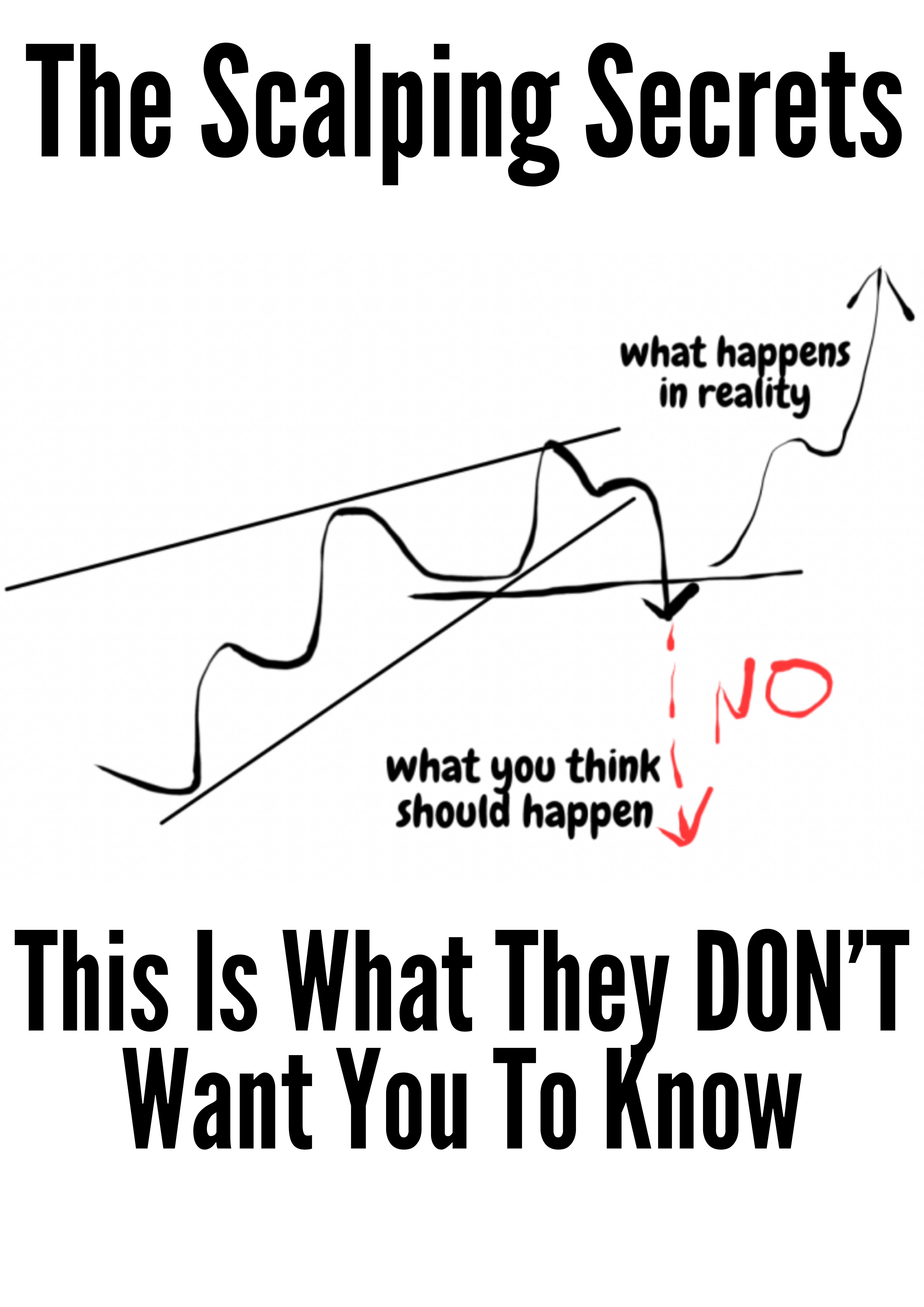
Developing the right mindset is a huge part of this journey, something you can explore further in our look at the psychology of Trading in the Zone. Ultimately, it all boils down to trading what you see, not what you think you should see.
Your Top Price Action Questions, Answered
When you’re getting into price action trading, a lot of questions come up. It's a different way of looking at the markets. Here, I'll tackle the most common questions I get, giving you straight-up, practical answers to help you get started on the right foot.
Can I Use Price Action for Day Trading?
Absolutely. In fact, it’s one of the most powerful tools for a day trader. When you're trading on fast-moving charts like the 5-minute or 15-minute, you need to see what's happening right now, not what an indicator told you happened 10 minutes ago.
Day traders live and die by speed. Price action lets you spot intraday trends, see where the key support and resistance battles are being fought, and identify candlestick patterns that scream "get in" or "get out." For short-term moves, nothing beats reading the raw price.
Is Price Action a Good Place for Beginners to Start?
Yes, and I'd argue it's the best place to start. Why? Because it forces you to learn what actually moves the market: buying and selling pressure. You learn to read a clean chart, which is the foundation of all technical analysis.
This keeps you from making the classic rookie mistake—piling dozens of blinking, lagging indicators on your screen. That just leads to confusion and conflicting signals. By starting with price action, you learn to analyze the market directly from the source, building a skill that will serve you for your entire trading career.
By learning to read price first, you are learning the language of the market itself. Everything else is just a translation.
Should I Just Ignore All Fundamental News?
While a pure price action trader’s focus is always on the chart, it's foolish to completely ignore major economic news. You can have the most perfect technical setup in the world, but a surprise interest rate announcement can blow it to pieces in seconds.
The smart way to handle news is to use it as a signal for when not to trade. I stay out of the market right before a big news release. I let the dust settle, see how the market digests the information, and then use price action to read the new sentiment. The chart will tell you how the big players really reacted, long after the talking heads are done.
How Long Does It Take to Really Master Price Action?
There’s no magic number here. How fast you master it comes down to your personal effort, discipline, and the hours you put in staring at charts. You can memorize the basic patterns in a few weeks, but turning that knowledge into consistent profit is another beast entirely.
True mastery is about developing rock-solid patience, elite risk management, and the mental toughness to stick to your plan without letting fear or greed take over. A structured learning path and good mentorship can cut that learning curve dramatically by giving you a proven road map and helping you sidestep the common traps that take most new traders out of the game.
Ready to stop guessing and start trading with clarity? The strategies discussed here are the foundation of our programs at Colibri Trader. We provide action-based courses to help you master price action and achieve consistent results. Learn how to transform your trading today.