
Beginner Day Trading Course: A Realistic 2026 Guide
You're probably in the same spot most beginners hit early. You've watched a few videos, opened charts, maybe even paper traded a breakout or two, and now your feed is full of people selling the “missing piece.” One course promises fast income. Another claims a secret scanner. A third makes day trading look like pressing buy, pressing sell, and walking away before lunch.
That's the trap.
A beginner day trading course shouldn't sell fantasy. It should help you build a process you can repeat under pressure, with real money on the line, when hesitation, fear, and impatience show up at the worst possible moment. The hard truth is that most courses spend too much time on patterns and not nearly enough time on the factors that wreck new traders: poor risk control, no real validation process, and a complete shock when simulated trading turns into live execution.
A useful course teaches you how to read price, define risk before entry, log trades properly, and prove that your setup has an edge before you size up. That's less exciting than luxury-car marketing, but it's what matters.
Navigating the World of Day Trading Education
A new trader usually starts the same way. They search for a course, find a wall of ads, and get pushed toward whatever looks easiest. Fast profits. Minimal effort. A “system” that supposedly works in any market. By the time they've clicked through a few sales pages, they're no longer looking for education. They're looking for relief from uncertainty.
That mindset leads people into bad courses.
A serious trading education doesn't hand you a magic formula. It teaches you how to make decisions in a fast environment where the next candle can test your discipline immediately. If a course leads with lifestyle photos and vague promises, it's selling aspiration first and process second. That order matters.
What beginners usually get wrong
Most beginners don't fail because they're lazy. They fail because they judge courses by the wrong criteria.
They ask:
- How fast can I start trading
- What strategy makes the most money
- Which mentor has the most impressive branding
They should ask:
- Does this course teach a repeatable method
- Does it explain risk before reward
- Does it prepare me for live execution, not just chart theory
A practical starting point is studying a realistic framework for the best way to learn day trading, then using that framework to judge any course you're considering.
A good course makes trading feel more structured, not more mysterious.
What real education looks like
Real education usually feels less glamorous than marketing. It's cleaner. Narrower. More demanding.
It focuses on a small set of things:
- Price behavior on the chart instead of a giant stack of indicators
- Defined setups instead of random entries
- Risk planning before the trade, not after it goes wrong
- Review and journaling so mistakes stop repeating
- Psychological control when live money changes your behavior
If you approach your search that way, the whole course market becomes easier to filter. You stop asking who sounds most confident. You start asking who teaches a process you can verify yourself.
That shift alone saves a lot of beginners from wasting months.
The Core Curriculum of a Worthwhile Course
A worthwhile beginner day trading course should train one thing above all else: sound decisions under pressure. Charts matter. Platform skills matter. But two parts usually get shortchanged. First, what happens to your judgment when real money is on the line. Second, whether the setup you want to trade has any evidence behind it before you risk capital.
That is the backbone. Without it, beginners collect concepts but never build a process they can trust.

Start with market structure and execution
A course should first explain how the market moves during the session you plan to trade. That includes structure, liquidity, volatility, and order flow at a basic practical level. Beginners do not need a theory lecture. They need to know why the open behaves differently from midday, why thin conditions can distort entries, and why a good idea can still get filled badly.
It should also cover trade mechanics in plain language:
- What day trading means in practice so you understand why positions are managed intraday
- How orders work including market, limit, and stop orders, and where slippage shows up
- Which market and session you are trading because a setup that works in one environment can fail in another
If that foundation is weak, the rest of the course turns into pattern memorization.
Price action should sit at the center
Good beginner training starts with the chart itself. Candles, swings, failed breaks, momentum, rejection, consolidation, and context around key levels. That is the raw material behind every clean setup.
I would be cautious with any course that introduces a stack of indicators before it teaches a student how to read a simple sequence of bars. New traders already have enough to process. More inputs usually create slower decisions and worse execution.
A better approach is a small set of price action setups with clear rules:
- what the market must do before entry
- where the setup is wrong
- where price is likely to stall or continue
- what conditions cancel the trade
That kind of structure gives beginners something they can test, journal, and repeat. If you want a benchmark for how real teaching differs from branded promises, it helps to compare providers against established criteria used in trading mentorship programs.
Risk management has to be taught before aggression
New traders usually focus on finding the entry. Experienced traders focus on controlling the bad trade.
A serious course should require students to define three things before every order:
- The invalidation point
- The dollar risk on the trade
- The minimum reward potential that makes the trade worth taking
That sounds simple. It is not, especially once money is live. A stop that looked reasonable in replay can feel painfully tight when the position is real. Beginners need training on that psychological shift, not just a rule on a slide.
Practical rule: If a course explains entries in detail but treats stop placement, sizing, and trade management lightly, it is leaving out the part that keeps traders in the game.
Strategy validation should be part of the curriculum
This is one of the biggest gaps in beginner education. Many courses teach setups. Far fewer teach how to verify whether a setup deserves capital.
Before risking money, a student should learn how to validate a strategy in a basic but disciplined way:
- Define the setup precisely so every example follows the same rules
- Collect a sample of trades across different days and conditions
- Track outcomes such as win rate, average win, average loss, and drawdown
- Review screenshots and notes to catch context the spreadsheet misses
- Decide whether the edge is strong enough to trade live
The goal is not academic perfection. The goal is to avoid betting on a pattern that only looked good in hindsight.
Keep the toolbox small enough to execute well
A beginner does not need ten strategies. A beginner needs one or two setups that are clear enough to trade without hesitation. Too many options usually produce late entries, skipped exits, and random rule changes.
A useful curriculum keeps the trading plan tight:
| Curriculum element | What it should teach |
|---|---|
| Primary setup | One or two repeatable intraday patterns |
| Entry criteria | What must happen before you click buy or sell |
| Stop logic | Where the trade is wrong, not where the loss feels uncomfortable |
| Target logic | Where price is likely to react or stall |
| No-trade conditions | When to stand aside |
That last line matters more than beginners think. Passing on a mediocre trade is part of the method.
Review and journaling should expose both technical mistakes and mental mistakes
A course is incomplete if it stops at chart theory. Students need a review process that shows not only what happened on the chart, but what happened in their head.
A useful journal records:
- the setup and market context
- the planned entry, stop, and target
- whether the trade followed the rules
- what you felt during execution
- what you would repeat or change next time
The course properly addresses real-money psychology. Some traders hesitate on good setups after one loss. Others size up after a win and break risk rules. Those patterns do not show up clearly unless the course teaches structured review.
The best beginner course will feel organized, narrow, and demanding. That is usually a good sign. It means the material is trying to build skill, not just keep you entertained.
Separating Genuine Mentorship from Marketing Hype
You buy a course on Friday, watch a few winning trade recaps over the weekend, and feel ready. By Tuesday, you are in a live trade, price ticks against you, and all the confidence from the sales page disappears. That moment exposes whether you paid for education or for excitement.
Good mentorship prepares you for that moment. Marketing avoids it.

Green flags that matter
A good mentor can explain one setup clearly, show where it fails, and explain why the stop belongs where it does. They do not need ten indicators or dramatic claims to hold your attention. They teach pattern recognition, execution, and review in plain language.
Look for signs like:
- Process over promises, because skill comes from repeated execution, not income screenshots
- Clear risk language, so losses are discussed openly instead of hidden behind motivational talk
- A repeatable method, built on chart reading and trade management you can practice yourself
- Structured feedback, through trade review, Q&A, or a community that discusses actual decisions
- Independent thinking, so you learn to read price and make decisions without becoming dependent on alerts
If you are comparing educators, reviewing different trading mentorship programs with those filters will tell you more than any sales video.
Red flags that should stop you cold
Weak courses usually reveal themselves fast. The sales page gets specific about lifestyle and vague about execution.
Watch for:
- Guaranteed results or language that implies trading is close to certain
- Luxury marketing, with cars, payouts, and freedom talk replacing trade examples and lesson structure
- Tool overload, where you need a stack of indicators before you can even define a setup
- Pressure selling, including countdown timers and forced urgency
- No serious treatment of losses, drawdown, or emotional mistakes during live execution
A genuine mentor does not sell certainty. They teach decision-making under uncertainty, because that is the job.
Here's a useful reference point before you buy anything.
The two areas most courses miss
Weak education often fails at a critical juncture. It can describe patterns on a chart, but it does not prepare beginners to trade those patterns with real money or prove that the method has an edge before capital is at risk.
First, the jump from simulator trading to live trading changes behavior. Traders who looked calm on replay start hesitating, forcing entries, moving stops, or revenge trading after one bad loss. As noted in WallStreetZen's review of day trading realities, retail trader failure rates are high, which is exactly why psychology cannot be treated like a side lesson. Any course that treats emotional control as a motivational topic instead of a trainable skill is skipping one of the main reasons beginners fail.
Second, a lot of courses teach setups without requiring proof. Investors Underground's day trading for beginners guide points out that beginners often learn patterns long before they learn how to test them properly. That is backwards. Before risking real money, traders should log sample trades, review execution quality, and calculate whether the setup produces positive expectancy after fees, slippage, and mistakes.
That trade-off matters. Backtesting and forward testing feel slow, and beginners often hate that part because it delays the excitement of live trading. But validation saves money. A trader who collects 50 or more clean samples on one setup will usually learn more than a trader who jumps between five strategies with no data.
If a course shows you a pattern but never requires you to prove that you can execute it with positive expectancy, the teaching is incomplete.
A quick side-by-side check
| If the course says this | Read it this way |
|---|---|
| “Our system works in all markets” | They may not understand context well enough to define when the setup loses its edge |
| “Just copy our alerts” | You are renting someone else's judgment instead of building your own |
| “Psychology is simple. Just stay disciplined.” | They probably do not have a process for correcting live-trading behavior |
| “You'll know your edge quickly” | Edge takes logged trades, review, and math |
| “Winning traders think differently” | Mindset matters, but rules, samples, and risk control matter more |
The best mentor makes you more accountable, more precise, and harder to fool, especially by your own impulses.
What to Expect on Your Trading Journey
Most beginners think the hard part is finding the right setup. It isn't. The hard part is staying consistent long enough to execute a setup properly, absorb losing trades without drifting, and avoid changing methods every time the market frustrates you.
That's why expectations matter.

Some of the numbers in that graphic are common industry claims, but you shouldn't build your plan around broad estimates. Build it around the math of your own trades and the discipline of your own execution.
You do not need a huge win rate
A lot of beginners think they need to be right almost all the time. That belief causes two problems. They cut winners too quickly because they fear giving profits back, and they hold losers too long because they want to “get back to right.”
A profitable day trading approach doesn't require perfection. It requires the right combination of accuracy and profit-to-loss ratio. A realistic beginner target is 55 to 60 percent accuracy with a minimum 2:1 profit-to-loss ratio, according to this video explanation of expectancy and day trading math. With 60% accuracy and a 2:1 ratio, expectancy is 0.2R per trade because 0.6 wins × 2R minus 0.4 losses × 1R = 0.2R in that same source.
That changes how you should think.
You don't need to win every argument with the market. You need your winners to pay for your losers and leave something over.
What that means in practice
Once you understand expectancy, the job becomes more concrete:
- Take trades with defined upside and limited downside
- Avoid scratching winners too early
- Accept that some good trades still lose
- Stop chasing a fantasy accuracy number
The beginner who wants to be right all the time usually struggles more than the beginner who wants to follow a valid process.
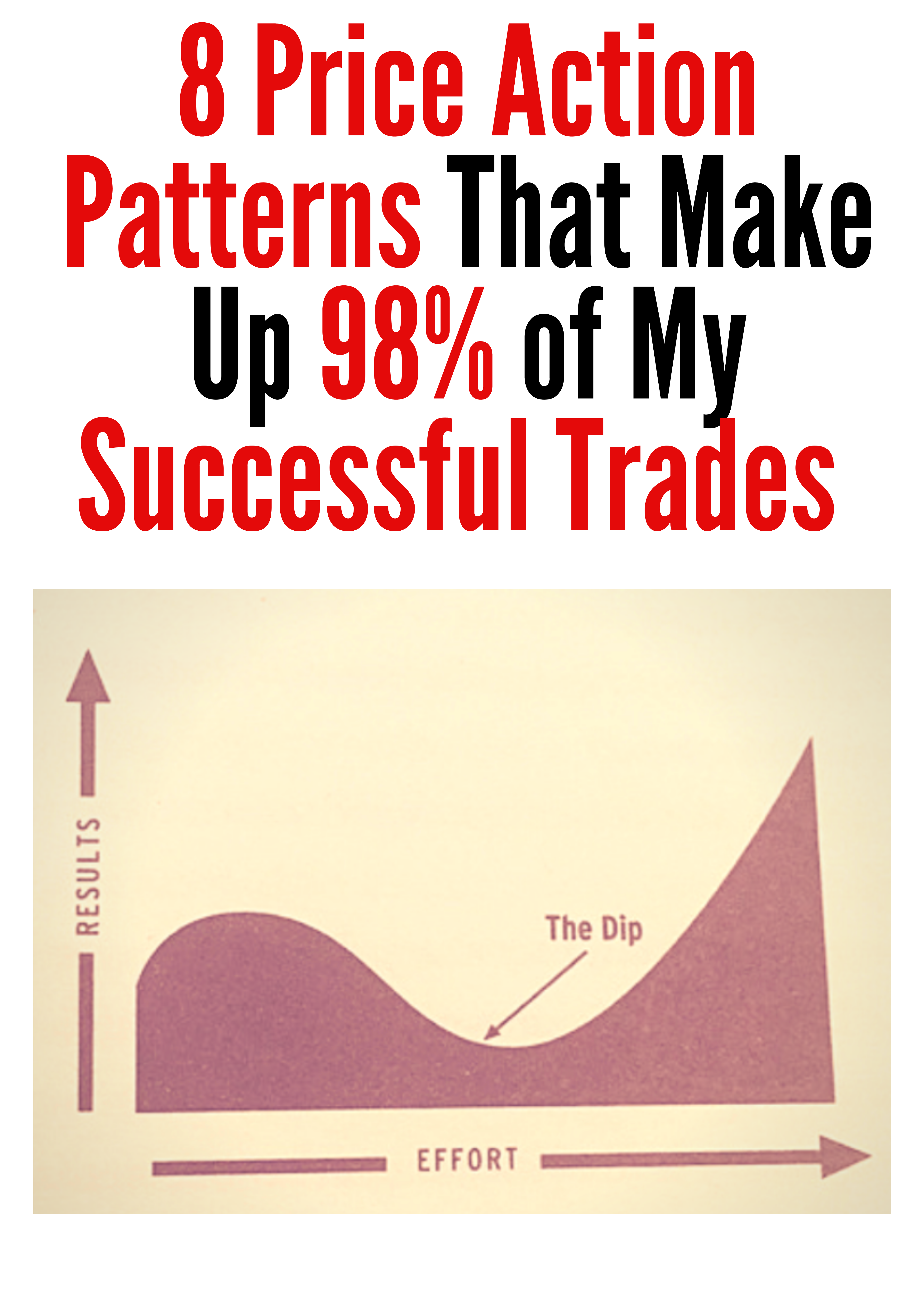
The emotional dip is normal
A trader can look calm in simulation and fall apart in live markets. That doesn't mean the setup stopped working. It often means the trader is now experiencing consequences.
You'll likely notice some version of this progression:
- Early excitement from finally having a setup
- Overtrading because every move looks tradable
- Frustration when live execution feels harder than paper trading
- Rule bending after a streak of losses or missed moves
- Improvement only after stricter review and simpler decisions
That emotional dip is where many people quit or start strategy hopping. Don't do that too fast. Usually the issue isn't that the market changed overnight. It's that your behavior changed when pressure increased.
Treat this like skill-building, not entertainment
A beginner day trading course is useful only if you use it like training. Study the setup. Watch price. Journal the trade. Review the mistake. Repeat.
That rhythm is less dramatic than social media trading content, but it's how actual progress happens.
Why a Price Action Focus Is a Game Changer
Most beginners don't need more tools. They need fewer moving parts.
When a trader loads a chart with indicators, they often feel more informed yet become slower and less decisive. One signal says buy. Another says wait. A third lags the move completely. The result is analysis paralysis, late entries, and exits based on confusion.
A price action approach strips that down.

Clean charts force clear decisions
Price action teaches you to read what buyers and sellers are doing directly from the chart. You watch how price reacts at obvious levels. You note whether candles are expanding, stalling, or rejecting. You stop outsourcing decision-making to indicator stacks.
That has two benefits. First, it reduces hesitation. Second, it builds transferable skill. A trader who understands price movement can adapt more easily than a trader who only knows how to follow a fixed indicator recipe.
For beginners who want a simpler framework, price action trading explained in practical terms is a better starting point than trying to master a dozen technical overlays at once.
Why this matters more than beginners think
Indicator-heavy strategies often create dependency. The trader waits for all lights to turn green, but market opportunities don't always arrive in that neat format. Price action is messier to learn at first, but stronger over time because it teaches context.
A clean chart helps you answer the questions that matter:
- Where did price reject
- Where are buyers losing control
- Is momentum expanding or fading
- Where is the trade invalidated
That's real decision-making.
One practical option among many
Some training providers build their education around indicator-based systems. Others focus more directly on chart reading. Colibri Trader is one example of a platform built around a price-action approach, with programs centered on reading the market without leaning on complicated indicators or heavy fundamental analysis.
The fewer variables you need before taking a valid trade, the easier it is to stay disciplined.
For a beginner, that simplicity is not a shortcut. It's an advantage.
Your Beginner Day Trading Questions Answered
Can you learn day trading for free
A beginner spends three weeks watching YouTube videos, marks up a chart, takes a few paper trades, then freezes the moment real money is on the line. That is the gap free content usually misses.
Free material is useful for learning platform basics, order types, market hours, and common setups. What it rarely gives you is a clear progression, a way to test whether your setup has an edge, and feedback on how your decision-making changes once losses become real. That last part matters more than beginners expect. Simulated discipline and live discipline are different skills.
A worthwhile course earns its keep by organizing the work. It should show you how to build sample size, track execution errors, and decide whether a strategy is worth risking capital on.
How much money do you need to start
Start by separating learning costs from trading stake.
Learning costs include charting software, data, screen time, and sometimes coaching or a course. Trading stake is different. That money must be small enough that one losing trade does not push you into fear, revenge trading, or random position sizing.
There is no honest universal number. The right amount depends on what you trade, how tight your stops are, and how much risk you take per trade. The practical rule is simple. If losing your planned risk changes your behavior, your size is too big.
Do you need a finance or math background
No.
You need basic arithmetic, not an academic background in finance. A new trader should understand position size, risk-reward, win rate, and expectancy. Those numbers matter because they tell you whether your method makes money over a series of trades, not whether one trade worked.
The harder skill is following rules under pressure. I have seen smart people grasp the math quickly and still fail because they could not take the next valid setup after two losses, or they moved stops to avoid being wrong.
Does a course guarantee profitability
No course can do that, and any course that hints otherwise should make you cautious.
A good course can shorten the trial-and-error phase. It can help you avoid bad habits, give you a review process, and teach you how to validate a setup before you go live. It cannot remove uncertainty, and it cannot make you disciplined.
Trading results come from repeated execution under real pressure. Education can improve the process. You still have to do the reps, keep records, and prove to yourself that your edge is real.
If you want a structured way to learn chart reading, risk management, and trading psychology without getting buried under complex indicators, Colibri Trader is one option to explore. The platform centers its training on price action, practical trade execution, and action-based programs for traders who want a clearer process instead of more noise.