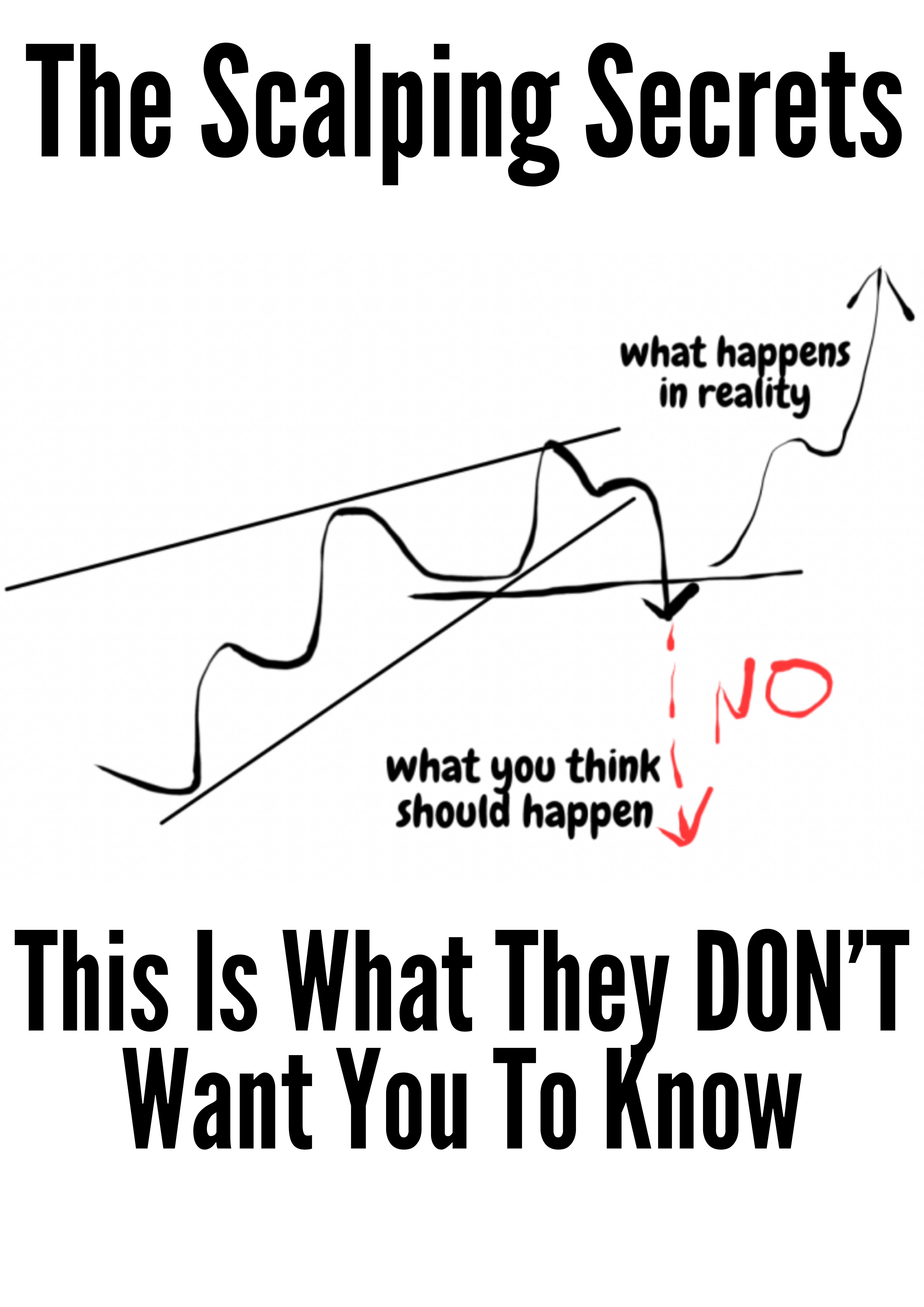
Commodity Option Trading A Price Action Guide
You already read price charts. You know what a clean rejection looks like. You know when a market is trending with intent and when it’s just chopping traders to pieces. Then you open an options chain on crude oil, gold, or corn and it suddenly feels like a different profession.
That hesitation is common. Most traders don’t struggle with market direction first. They struggle with instrument choice. Commodity option trading looks complicated because brokers show you strikes, expiries, Greeks, margin rules, and settlement details all at once. The chart itself gets pushed into the background, which is exactly where mistakes begin.
The useful way to think about commodity options is simple. They are not a replacement for price action. They are a wrapper around your market view. If you can already read the underlying futures chart, you’re not starting from zero. You’re learning how to express the same directional idea with more flexible risk and better structure.
From Price Action Trader to Options Strategist
A trader usually reaches options after the same frustration. You read the chart correctly, but futures exposure feels too blunt. The market tags your stop by a small margin, then runs in your direction. Or you want downside exposure without taking full futures heat. Or you want a defined-risk way to trade a swing setup into a major supply or demand zone.
That’s where commodity option trading starts to make sense.

Why options fit a chart-based trader
Price action traders already think in probabilities. You don’t need certainty. You need an area, a trigger, and a risk plan. Options work well with that mindset because the instrument lets you define what you’re paying for and what you’re willing to lose, especially when buying options.
A clean futures breakout and a long call are both bullish. A rejection from supply and a long put are both bearish. The chart logic doesn’t change. What changes is the payoff structure.
That matters in commodities because these markets can move hard and fast. News, inventory expectations, weather, geopolitics, and positioning can all reprice a market quickly. Options give you another way to participate without always taking the same linear exposure as a futures contract.
Commodity option trading works best when the chart leads and the option follows. Not the other way around.
This isn’t new. The wrapper is new.
The instinct to secure a right at a fixed price is old. The origins of commodity option trading trace back to ancient Greece around 600 BC, when Thales of Miletus executed the first recorded call option by securing rights to use olive presses at a fixed price, an early example of hedging and speculation that matured into regulated markets with the launch of the CBOE in 1973 (history of commodity options and the CBOE).
The technology changed. Human behavior didn’t.
Traders still want to do the same things Thales did. Lock in opportunity. Control risk. Put capital to work when they see an edge. Modern exchanges standardize the process so you can do it in crude oil, metals, grains, and other contracts through a regulated platform instead of an olive press arrangement in Miletus.
What usually goes wrong
Most beginners enter options from the wrong end. They start with Greek symbols, strategy names, and option chain screens before they can explain what the underlying chart is doing. That produces random trades dressed up as complex trades.
A better sequence looks like this:
- Start with the futures chart: Mark trend, supply, demand, structure breaks, and failed moves.
- Decide the market thesis: Bullish continuation, bearish reversal, range, or hedge.
- Choose the option expression: Call, put, short premium, or spread.
- Define the invalidation: If the chart idea is wrong, the option was wrong too.
If you keep that order, options stop looking mystical. They become practical.
The Building Blocks of Commodity Options
A commodity option gives you the right, but not the obligation, to take a position in an underlying commodity futures contract at a specific strike price before expiration or at expiration, depending on the contract terms. That phrase matters because it separates options from futures.
A futures contract is direct exposure. If you buy crude oil futures, you’re long crude. If the market moves against you, you feel it immediately and linearly. An option buyer pays a premium for a choice. That choice can become valuable, or it can expire worthless.
Calls and puts without the jargon fog
A call option gives the buyer the right to buy. Traders use calls when they expect the underlying market to rise.
A put option gives the buyer the right to sell. Traders use puts when they expect the underlying market to fall, or when they want protection on an existing long exposure.
The easiest way to frame it is this:
| Instrument | Basic view | What you own |
|---|---|---|
| Call | Bullish | Right to buy |
| Put | Bearish | Right to sell |
| Futures | Bullish or bearish | Direct obligation-based exposure |
The buyer of an option has a known upfront cost. The seller takes on obligations in exchange for premium, which is why short options require a much deeper understanding of risk.
Why commodities have their own feel
Commodity option trading is not stock option trading with different symbols. The underlying is usually a futures contract, not shares in a company. That means your option is tied to a market with its own contract specs, expiry cycle, settlement process, liquidity profile, and sometimes seasonal behavior.
Crude oil, gold, silver, corn, soybeans, and other contracts don’t move for the same reasons. A trader who ignores that tends to treat all options the same way, which is sloppy work.
If you can’t explain what moves the underlying commodity and where it is on the chart, you shouldn’t be in the option.
The market became usable because it became structured
Commodity derivatives didn’t become practical because traders got smarter. They became practical because exchanges and regulators imposed structure. The Chicago Board of Trade, founded in 1848, standardized the first futures contracts in 1865, and later regulation including the Commodity Exchange Act of 1936 and the creation of the CFTC in 1974 turned commodity trading from a chaotic market into a structured global system (history of CBOT and CFTC oversight).
That framework matters to the retail trader more than is widely acknowledged. It affects contract standardization, clearing, position handling, and the overall reliability of the marketplace.
If you want a broader grounding in how these markets function before adding options, this overview of online commodity trading is a useful starting point.
The mental model that actually helps
Don’t memorize options as abstract theory. Use this practical model instead:
- Futures are the engine: They are the underlying price chart you analyze.
- Options are the transmission: They convert your view into a chosen risk and reward profile.
- Premium is the entry cost: It’s what you pay for flexibility.
- Expiry is the deadline: Your idea must work within time, not just direction.
That last point catches many good chart readers. In futures, being early can be painful. In options, being early can be fatal to the trade if time decay strips value before the move arrives.
How Commodity Options Are Priced and Behave
A lot of traders lose money in commodity option trading even when their chart read is basically right. The reason is simple. They understand direction, but not how the option itself behaves.
An option premium has two parts. Intrinsic value is what the option is worth right now based on the relationship between the strike price and the underlying market. Extrinsic value is everything else. Time, volatility expectations, and probability.

Intrinsic and extrinsic value in plain trading language
If a call option already has value because the underlying futures price is above its strike, that’s intrinsic value. If a put already has value because the market is below its strike, same logic.
Extrinsic value is what traders are paying for possibility. Time for the move to happen. Volatility that could expand. Uncertainty. Anticipation.
Many inexperienced traders buy expensive possibility instead of actual edge. They see a dramatic candle, chase an option premium, and don’t realize most of what they bought was time and fear.
Delta tells you how alive the option is
If you only learn one Greek first, learn Delta. Delta tells you how much the option price tends to respond when the underlying commodity moves.
From a practical standpoint, Delta answers a blunt question. If crude oil or gold moves, will your option move enough to matter?
A very low-Delta option can be cheap, but it often behaves like a lottery ticket. A higher-Delta option costs more, but it tends to respond more like the underlying. Traders who use price action usually want enough responsiveness that the option reflects the chart setup instead of lagging behind it.
Here’s the rule of thumb in practice:
- Low Delta: Cheap exposure, slower response, more dependence on a strong move.
- Moderate Delta: Better balance for directional setups.
- High Delta: More expensive, but tracks the underlying more closely.
Theta punishes hesitation
Theta is time decay. Every day that passes removes some extrinsic value from the option. This is why bought options are called wasting assets.
A futures trader can survive being early if the stop is wide enough and capital is managed. An option buyer can be early and still lose because the clock is part of the trade.
That’s why timing matters so much. A beautiful bullish thesis doesn’t help if you buy the call too early into congestion and the market drifts for days. The option can bleed even while the chart still looks acceptable.
Practical rule: Buy options when price is close to your actual trigger, not when you’re merely interested.
Vega explains why panic can overprice options
Vega measures sensitivity to changes in implied volatility. You don’t need a formula to use it properly. You need to understand behavior.
When traders panic, option premiums often inflate because market participants expect larger moves. That can make puts especially expensive during sharp selloffs and calls expensive during euphoric spikes. If you buy after the emotional burst, you can be right on direction and still get poor value.
This is one reason price action helps. If a market slams into a major support zone and prints exhaustion, buying a put into that panic can be a bad trade even if the trend has been down. You may be paying peak emotional premium.
A fast read before you enter
Before buying any commodity option, ask four questions:
- Where is price on the underlying futures chart? At demand, at supply, breaking structure, or trapped in the middle?
- Am I buying intrinsic value or mostly hope? Cheap options are often cheap for a reason.
- How much time does the setup realistically need? Not how much time you wish it needed.
- Is volatility already stretched? If yes, premium may be working against you.
A trader who can answer those questions has already moved beyond casual options speculation. That’s where real progress starts.
Visualizing Key Strategies with Payoff Diagrams
Strategy names confuse traders because the names sound technical while the logic is usually simple. The cleanest way to understand a strategy is to ask two questions. What is the most I can lose? What has to happen on the underlying chart for this trade to make sense?

The four core positions
Start with the raw building blocks.
| Trade | Market view | Risk profile | Best use |
|---|---|---|---|
| Long call | Bullish | Limited to premium paid | Upside move |
| Long put | Bearish | Limited to premium paid | Downside move or hedge |
| Short call | Neutral to bearish | Risk can be very large | Premium selling with discipline |
| Short put | Neutral to bullish | Risk can be very large | Premium selling below market |
A long call is the cleanest bullish options trade. You buy the right to participate in a rise without taking full futures exposure. If the market fails, your loss is limited to the premium.
A long put does the same thing for a bearish view. It’s also useful when you already hold long commodity exposure and want insurance against a drop.
A short call and short put flip the equation. You collect premium up front, but you accept obligation. These trades can work, but they are not beginner trades just because they look calmer on entry.
How payoff thinking improves discipline
Suppose crude oil rallies into a major supply zone that has already rejected price twice. A trader expecting another rejection might buy a put. The appeal is obvious. If price collapses, the put gains value. If the level fails and crude squeezes higher, the risk is capped at the premium paid.
Now take the opposite side. A trader could sell a call against that same zone to collect premium, assuming price won’t break higher. That can work in a stagnant market. It becomes dangerous if price explodes through the level because the upside risk is not neatly capped in a naked short call.
That’s why payoff diagrams matter. They stop you from focusing only on the likely path and force you to respect the damaging path.
For a wider strategic view, these common options trading strategies help frame when each structure belongs in your playbook.
The best options strategy is not the cleverest one. It’s the one whose risk profile matches the chart and your tolerance for being wrong.
Two practical structures traders actually use
A protective put fits a trader or hedger who already holds a long futures position and wants downside insurance. If the market keeps rising, the futures position benefits and the put may lose value. If the market drops, the put offsets some of that pain. Think of it as buying protection, not trying to maximize profit with the option itself.
A covered call is usually used when you already own the underlying exposure and believe upside is limited for now. You sell a call against that position to collect premium. The trade-off is straightforward. You earn income, but you cap part of your upside if the market runs.
These two structures matter because they force a trader to think in scenarios instead of slogans. What am I protecting? What am I willing to give up?
The spread that saves many traders from themselves
The bull call spread is one of the most practical directional structures in commodity option trading. You buy a call and sell another call at a higher strike. That reduces upfront cost compared with buying a naked call, but it also caps maximum upside.
This structure fits a chart where you expect a move higher, but not a runaway trend. Maybe gold is bouncing from demand into a nearby resistance zone. A long call alone might cost more than the setup deserves. A bull call spread trims the cost and aligns the trade with a realistic target.
Use it when:
- Your chart target is defined: You don’t expect an endless trend.
- Premium feels rich: Selling the higher strike can offset some cost.
- You want cleaner risk structure: Especially when buying outright feels too expensive.
A lot of losing option trades come from traders buying more possibility than the chart justifies. Spreads fix that habit.
Integrating Price Action for Superior Trade Selection
This is the part most options education misses. The chart should decide the trade. The option chain should only help you express it.
A significant gap in trading education is applying price action to options on futures. Around 70 to 80% of options expire worthless, and precise timing through price action can improve win rates. One practical example is using exhaustion wicks at key support to avoid overpaying for inflated put premiums during market panic (price action timing in options on futures).

Start with the futures chart, not the chain
A clean commodity options workflow begins on the underlying futures chart.
Mark your higher time frame supply and demand zones. Note where trend structure broke or held. Identify whether the market is compressing, expanding, or failing at a level that matters. If there’s no clear read there, the option chain won’t save you.
That’s why a strong price action process still beats indicator clutter. If you want a sharper framework for that chart work, this guide on how to trade using price action is worth reviewing.
Three setups that translate well into options
Some price action patterns fit options better than others.
Demand rejection into a long call
Suppose gold sells off into a higher time frame demand zone. Then the lower time frame prints a rejection wick, followed by a bullish engulfing candle. That is a chart event, not just a hopeful guess.
A long call fits if you expect a directional bounce and want defined risk. The key is entry timing. Buying before the rejection confirmation means paying premium for a scenario. Buying after confirmation means paying for evidence.
Supply rejection into a long put
Now flip it. Crude oil rallies into supply, leaves an upper wick, fails to continue, and closes weak. That’s where a put can make sense.
The mistake many traders make is buying the put after the market already flushes lower on the first big red candle. At that point, fear may already be bloating premium. A better entry often comes at the level, when the rejection first becomes visible.
Breakout retest into a spread
Some commodity moves don’t reverse. They break and go. If a market breaks a major level, retests it cleanly, and holds, a directional spread often fits better than chasing outright options. It gives you participation while respecting the fact that breakouts often move in measured legs, not infinite extensions.
When the chart gives you a location and a trigger, the option becomes a tactical decision. Without those two things, it’s just a bet.
Use the option chain as a secondary tool
Once the chart gives you a thesis, then use the chain to choose strike and expiry.
A simple decision filter works:
- Sharp momentum setup: You can consider a more responsive option with less extra time.
- Swing setup from a major zone: Give the trade more time so Theta doesn’t suffocate it.
- Premium looks stretched after panic or euphoria: Consider waiting, reducing size, or using a spread.
- Market is stuck mid-range: Usually no trade. Options decay while you wait for clarity.
A visual walkthrough helps if you want to see how traders combine chart structure with execution timing:
What works and what does not
Here’s the blunt version.
What works in commodity option trading:
- Trading at levels: Demand, supply, failed breakouts, and retests.
- Using confirmation: Engulfing candles, rejection wicks, structure shifts.
- Paying for timing, not hope: Entering when the setup triggers.
- Matching strategy to chart quality: Straight calls and puts for clean directional moves, spreads when upside or downside is likely capped.
What usually fails:
- Buying options in the middle of the range
- Chasing panic candles
- Choosing very cheap options only because they are cheap
- Ignoring expiry until the trade starts bleeding
The traders who become consistent with options usually aren’t the best mathematicians. They’re the ones who stay loyal to the chart.
Your First Commodity Option Trade A Practical Checklist
Your first commodity option trade should feel boring on purpose. If it feels exciting, there’s a good chance you’re skipping process.
The mechanics matter here. Broker access, contract specs, order handling, margin treatment, and settlement details can all hurt you before your chart read even gets tested.
Pre-trade checks that matter
Before placing anything, confirm these basics:
- Broker capability: Make sure your broker supports options on the commodity futures contracts you want to trade, not just spot commodities or CFDs.
- Contract details: Know the underlying futures month, strike selection, expiry date, tick behavior, and settlement method.
- Liquidity: Stick to actively traded contracts and strikes where order flow is cleaner.
- Risk type: Decide whether you are buying premium with defined risk or selling premium with obligations and margin exposure.
A lot of rookie mistakes happen because traders click into an instrument that looks familiar but belongs to a different contract month or has poor liquidity.
Margin and settlement are not side notes
Buying options is usually simpler from a risk perspective because your loss is generally limited to the premium paid. Selling options is different. Short premium strategies can involve substantial margin requirements because the broker and exchange need protection against adverse movement.
Settlement also matters more in commodities than many expect. Some contracts have settlement features tied closely to the underlying futures process. If you hold too long without understanding assignment or exercise implications, you can create a problem you never intended to trade.
That’s why the first option trade should usually be a simple bought call or bought put tied to a clear chart setup. Complexity can wait.
Don’t learn commodity options by starting with naked short premium. Learn by controlling what you can lose first.
Using open interest to frame the battlefield
Option chain analysis can sharpen your trade location, especially on exchanges where open interest data is actively used. In MCX commodity option trading, high call open interest often marks resistance and high put open interest often marks support. For example, if crude oil is trading near ₹6,500, with maximum call OI at ₹6,600 and maximum put OI at ₹6,400, that defines a practical short-term range that traders can automate with GTT and OCO orders (MCX option chain analysis and OI levels).
That gives you a real framework. If price sits in the middle of that range, patience usually pays better than action. If price approaches one edge and prints a clear rejection or breakout signal on the underlying chart, then you have location plus trigger.
A usable first-trade workflow
Here’s a simple checklist for a first live setup:
Find the level on the futures chart
Mark demand, supply, or a breakout retest. Don’t start from the chain.Check open interest context
See whether OI clustering supports your level or warns that price is approaching a defended strike.Choose the expression
Buy a call for a bullish reaction, buy a put for a bearish reaction, or use a spread if premium feels too expensive.Select sensible expiry
Give the setup enough room to develop. Don’t force a swing idea into an expiry that only suits a quick scalp.Set automated orders where available
GTT can stage your entry around confirmation levels. OCO can pair target and stop logic so you’re not managing emotionally in real time.Define the chart invalidation before entry
If the level fails, the trade thesis is dead. Exit based on the chart, not on hope that premium will come back.
What a good first trade looks like
A good first trade is not the biggest winner. It’s the cleanest execution of process.
You identified a level on the underlying chart. You waited for confirmation. You chose an option structure that matched the expected move. You knew your maximum risk. You understood the expiry. You respected the settlement and margin mechanics.
If you can do that repeatedly, you’re building a trading business rather than collecting random market experiences.
Embracing a Disciplined Approach to Options
Commodity option trading rewards structure, not excitement. The instrument gives you flexibility, but flexibility without discipline turns into expensive improvisation.
The strongest approach is still the simplest. Read the underlying futures chart first. Trade from meaningful supply and demand, not from random strikes. Use the option to shape risk, not to hide from it. If the chart suggests a fast directional move, a straightforward long call or long put may fit. If the move has a likely ceiling or floor, a spread often makes more sense.
Risk awareness stays at the center of the process. If you want a broader personal-finance perspective on uncertainty and decision-making, this piece on whether investing is risky is a useful companion because it frames risk as something to understand and manage rather than something to fear blindly.
A professional options trader doesn’t try to win every trade. The job is to take trades where location, timing, structure, and risk all line up. When those elements are missing, the best trade is usually no trade.
Commodity options are powerful when they sit inside a repeatable price action framework. That’s the edge. Not complexity. Not fancy language. Clean chart work, proper structure, and disciplined execution.
If you want to sharpen that process with a no-nonsense, chart-first methodology, Colibri Trader offers practical price action training built for traders who want clearer entries, better risk control, and a more consistent way to trade real markets.