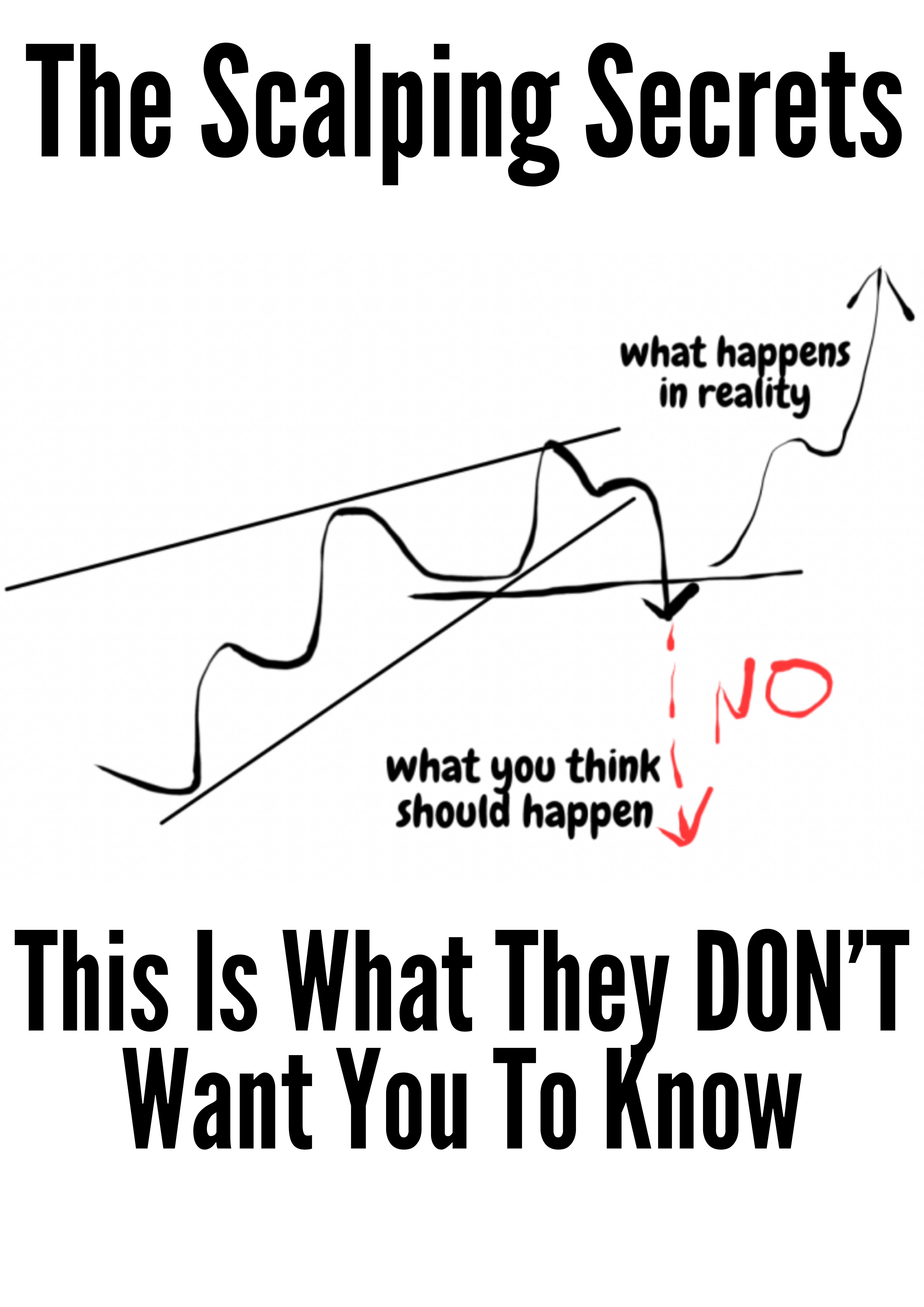
Finding the Best Swing Trading Courses in 2026
When you’re looking for the best swing trading courses, you'll find most of them fall into two camps. One loads you up with complex, indicator-heavy systems that look impressive but often fail in live markets. The other focuses on what actually works: core skills like price action and risk management. A top-tier course, like the one I've built at Colibri Trader, gives you a direct path by teaching a clean, rules-based strategy designed for long-term, sustainable success.
Finding Your Path to Profitable Swing Trading

Does staring at trading charts often leave you feeling completely lost? Don't worry, you're not the first. So many aspiring traders I've met get trapped in a frustrating cycle, chasing get-rich-quick promises and jumping between overly complicated strategies that only lead to blown accounts. This guide is here to cut straight through all that noise.
I'll show you why swing trading strikes such a powerful balance, especially for those of us who can't—or don't want to—watch the market tick-by-tick all day. It’s a method that truly fits a modern lifestyle, demanding focused, high-quality analysis instead of constant screen time.
Why a Strong Educational Foundation Is Crucial
Jumping into the markets without a solid, tested strategy is like trying to navigate the open ocean without a compass. You might get lucky for a bit, but eventually, you'll get lost. The best swing trading courses provide that compass, guiding you away from inconsistent gambling toward a clear, repeatable process.
From my experience, any education worth its salt is built on a few key pillars:
- A Clear, Actionable Strategy: You need a defined set of rules for entering and exiting trades. This removes the guesswork and emotion that destroy trading accounts.
- Disciplined Risk Management: Protecting your capital is everything. It’s the one skill that separates traders who last for decades from those who are gone in a month.
- Trading Psychology: You have to understand how to manage your own mind. Fear and greed can derail even the most perfect technical setup.
Of course, before you can master advanced trading techniques, you need a firm grasp of the basics. If you're just starting out, I'd recommend checking out A Beginner's Guide to the Stock Market to build that essential base of knowledge.
Swing Trading vs Other Trading Styles
It's critical to understand the different trading styles to find what truly fits your personality and schedule. Unlike day trading, where you open and close positions within a single day, swing trading involves holding positions overnight, for several days, or sometimes a few weeks. If you want to dig deeper, I've covered this in my guide on what swing trading is.
This longer timeframe gives you some distinct advantages—and a few different challenges—compared to other methods.
| Trading Style | Typical Holding Period | Time Commitment | Key Focus |
|---|---|---|---|
| Swing Trading | Days to weeks | Part-time; a few hours daily | Capturing larger price "swings" within an established trend |
| Day Trading | Minutes to hours | Full-time; constant monitoring | Profiting from small, intraday price fluctuations |
| Long-Term Investing | Months to years | Minimal; periodic reviews | Capital growth based on company fundamentals and economic trends |
The primary goal of a swing trader is to identify a likely move and capture a significant portion of it. This methodical approach is often more manageable for individuals balancing trading with a full-time job or other commitments.
This approach allows for more thoughtful, patient analysis and far less impulsive decision-making. That’s exactly why a structured education is so effective here. A great course won't just show you patterns; it will teach you how to identify high-probability setups and manage them patiently, turning market volatility into your greatest opportunity.
What Defines a Top-Tier Swing Trading Course
Not all trading courses are built the same, and trying to pick one from the sea of options out there can be downright overwhelming. Before we jump into comparing the top swing trading courses, we need to lay down some ground rules for what actually makes a course worthwhile.
A fancy website and bold claims of quick profits are usually red flags. The real value is found in the substance of what’s being taught. You want an education that actually builds trading skill, not just one that looks good on the surface.
To really improve, you have to look past the marketing noise. The best programs I've seen are all built on a single, clear strategy—not just a random collection of indicators and patterns. They teach a rules-based system that you can learn, practice, and eventually master.
A Curriculum Built on a Cohesive Strategy
A top-tier course doesn't just bombard you with dozens of indicators and theories. That approach only leads to confusion. Instead, it should present a unified trading methodology from start to finish.
A strong curriculum guides you through a complete trading plan. It covers everything from spotting high-probability setups to executing trades and, most importantly, managing your risk. The goal is to take the guesswork and emotion out of your decisions. You need a repeatable process that you can rely on in any market condition, bull or bear.
This is a world away from courses that just show you a list of candlestick patterns without a framework for how to actually trade them for a profit.
Instructor Credibility and Real-World Experience
The person teaching the course is incredibly important. Is the instructor an actual trader who actively uses the system they're teaching? Or are they just a marketer who has repackaged someone else's information?
Look for proof that the instructor has real skin in the game. The best educators I know share their own trade examples, both wins and losses, and can walk you through their thought process. This kind of real-world experience is priceless because it offers insights you'll never find in a textbook.
A course's true value is measured by its ability to transform a student's trading habits. It's not about receiving a certificate; it's about developing the discipline and skill to achieve consistent results in live markets.
A genuinely valuable course will also dive deep into critical topics like trade psychology and effective journaling, which are often overlooked but are absolutely vital for long-term success.
Mentorship and Community Support
Trading can be a lonely and challenging path. The best programs understand this and offer solid support systems to help you through it.
Things like direct access to the instructor for questions, live Q&A sessions, and a community of fellow traders all create a powerful learning environment. This is where theory gets put into practice.
This is your chance to ask about specific trades, talk about your struggles, and get honest feedback from experienced mentors and peers. That practical guidance is what helps you push through the inevitable hurdles you'll face when your own money is on the line.
The impact of this kind of structured approach is clear. Some platforms have reported student success rates improving by up to 40% after finishing a structured price-action program. And ever since the retail trading boom started around 2020, enrollment in swing-specific courses has shot up by 150%, driven by easier access to brokers and risk-free demo accounts. You can find more data on swing trading strategies and their performance over at Quantified Strategies.
Comparing the Best Swing Trading Courses of 2026
Picking the right trading course is one of the biggest decisions you’ll make. It’s not just about learning a few patterns; it's about finding a philosophy and a system that actually clicks with your personality and what you want to achieve.
We’re going to cut through the marketing fluff and look at the core methods behind some of the top swing trading courses out there. This will help you see exactly who each course is really for, so you can find the perfect fit.
A top-tier course isn't just a folder of videos. It’s a complete ecosystem built on a proven strategy, credible mentorship, and a strong community.

As you can see, a great program is more than just lessons—it's a full support system for your trading journey.
Colibri Trader The Price Action Method
The Colibri Trader course is built around one core belief: price action is king. The entire approach is based on trading with "naked charts," meaning you learn to spot high-probability setups without any lagging indicators like RSI, Moving Averages, or MACD.
My experience has shown me that these indicators often create more confusion than clarity. They just add noise.
The curriculum is structured to help you build a rules-based trading plan from the ground up. You’ll start with the bare essentials of market structure and move into advanced pattern recognition and the exact risk management protocols I use every day.
Who It's Best For
- The Overwhelmed Beginner: If you’re just starting out and your charts are a mess of confusing lines ("indicator spaghetti"), this is your clean slate. It cuts out the noise and instills discipline right from the start.
- The Inconsistent Trader: This is for traders who've been around the block but just can't find a consistent edge. By stripping everything away except for price, it forces you to build a process you can actually repeat.
- The Minimalist Thinker: If you appreciate simplicity and getting back to first principles, this method will make perfect sense. It’s all about seeing what the market is doing right now, not guessing based on old data.
What really sets the Colibri Trader method apart is the strict focus on price action. It's more than a strategy; it's a philosophy. It teaches you to become self-reliant by reading the raw language of the market, without needing the crutch of indicators.
The training is intensely practical. The focus is on finding specific candlestick patterns at key support and resistance zones. A huge part of the course is also about trade management—not just when to get in, but exactly when to take your profits or cut a losing trade.
Indicator-Based Technical Analysis Courses
On the other side, you have courses that teach swing trading entirely through technical indicators. These programs are all about using tools like the Relative Strength Index (RSI), Moving Average Convergence Divergence (MACD), and Bollinger Bands to find trading signals.
The philosophy here is that these formulas can measure market momentum, spot overbought or oversold conditions, and confirm the direction of a trend. It’s a stark contrast to the pure price action approach, as it relies on derivatives of price, not the price itself.
Who It's Best For
- The Analytical Trader: If you have a quantitative mind and prefer signals backed by data, this might feel more comfortable. The "buy" or "sell" signals from an indicator crossover can seem more objective.
- Traders Who Need Confirmation: Some traders use indicators as a final check on a trade idea they found through price analysis. This “belt and suspenders” approach can boost confidence, but it can also lead to analysis paralysis.
- System Builders: Traders who love to fine-tune parameters and build their own automated or semi-automated trading systems are often drawn to indicator-based strategies.
The biggest issue I have with this approach is the lag. All technical indicators are, by definition, based on past price. This means they are always one step behind what the market is doing right now, which can lead to late entries and late exits, especially when things are moving fast.
Algorithmic and "Black Box" System Courses
The third type of course sells you a proprietary "black box" trading system. These programs often come with flashy promises of high win rates by giving you exact buy and sell signals from their custom software. You don't learn why the signal is generated, just that you should follow it.
The appeal is obvious—it takes the hard work of analysis off your plate. You just follow the signals. While that sounds great, it’s a dangerous path. You become 100% dependent on the system and have no idea how to trade on your own if it ever stops working.
Who It's Best For
- The Hands-Off Trader: Someone who wants the idea of trading income without putting in the time to actually learn how to analyze a market might find this tempting.
- The Tech Enthusiast: Traders who are more fascinated by the technology of automated systems than the skill of trading might find these interesting.
The biggest risk here is that you don't develop any real skills. When market conditions change and the algorithm's performance starts to slip—which many do—you're left with nothing. You haven't learned to read a chart, manage risk, or control your emotions. You’ve only learned how to follow directions.
A Head-to-Head Look
To really get a feel for these different approaches, you have to see them side-by-side. The table below breaks down the core differences to help you see which path aligns with your own trading goals.
2026 Swing Trading Course Comparison
This table offers a direct comparison of the three main educational philosophies in swing trading, helping you match a course style to your personal goals and learning preferences.
| Course | Primary Strategy | Best For | Mentorship | Price Range |
|---|---|---|---|---|
| Colibri Trader | Pure Price Action | Beginners, Inconsistent Traders | Direct Mentorship from an Experienced Trader | £397-£797 |
| Indicator-Based | Technical Indicators | Analytical, Data-Driven Traders | Varies (Often Forum-Based) | $200-$1,500+ |
| "Black Box" System | Algorithmic Signals | Hands-Off, Passive Participants | Limited to Tech Support | $500-$5,000+ |
When all is said and done, picking one of the best swing trading courses boils down to one simple question: Do you want to learn a lifelong skill, or do you want to rent signals?
Courses like mine are built on the idea of empowerment. I want to teach you how to fish, giving you a skill that can serve you for your entire trading career, in any market. While indicators can sometimes be useful as a supplement, a solid foundation in pure price action means you'll never be lost, even when the tools fail you.
Algorithmic systems, on the other hand, are a tempting shortcut that often prevents you from ever truly learning how to navigate the markets for yourself.
Understanding the Colibri Trader Price Action Strategy

What does it really mean to trade with “naked” charts? At the core of my trading methodology is this very idea—a price action strategy that gets rid of common indicators like RSI or Moving Averages entirely. It’s a trading philosophy built around one simple truth: the most reliable information you'll ever get comes directly from price itself.
This approach is all about cutting through the noise and confusion that bogs so many traders down. Instead of trying to decipher lagging indicators, you learn to read the raw language of the market. This clarity is a genuine game-changer when it comes to building trading discipline.
The Philosophy of Clean Charts
The whole idea behind trading without indicators is to focus only on what price movement is telling us about the real-time battle between buyers and sellers. Every single candlestick pattern, every support and resistance level, is a direct clue about what the market is thinking.
When you remove the "indicator spaghetti" that clutters so many charts, you’re forced to become a much more deliberate and observant trader. This minimalist system is one of the best ways I know to curb emotional decision-making, which is one of the biggest roadblocks most traders face.
You're not just guessing based on a formula that uses old data; you are reacting to what’s happening on the chart right now. This is a huge reason why traders looking for the best swing trading courses often find their way to a pure price action method.
A Practical Chart Example
Let’s walk through how a price action trader actually finds a setup. The process is methodical, strictly rules-based, and repeatable.
Identifying a High-Probability Setup
First, a trader scans for a strong, established trend. Within that trend, they pinpoint a key horizontal level—this could be a former support that might now act as resistance, or the other way around. Then, the waiting game begins.
The Entry Signal
The trader waits for price to come back and retest this key level, looking for a specific candlestick pattern to print, like a Pin Bar or an Engulfing Bar. This pattern is the trigger. It’s the confirmation that other market participants are rejecting that level and that the trend is likely to resume. It's this powerful confluence of location and signal that creates what I call a high-probability trade.
Risk and Trade Management
Once that entry signal appears, the rules for managing the trade are crystal clear:
- Entry: A market order is placed as soon as the signal candle closes.
- Stop-Loss: The stop-loss goes just above the high of the signal candle for a short trade, or just below its low for a long trade. Your risk is defined from the absolute start.
- Take-Profit: A profit target is set at the next logical support or resistance level, which helps ensure a positive risk-to-reward ratio.
This clean, rules-based system isn’t just about finding trades; it's about building a fortress of discipline around your capital. By focusing only on A+ setups at key levels, you filter out the low-quality noise that drains trading accounts.
The evidence for structured learning is powerful. Data shows that beginners in structured swing trading programs can see their win rates increase to 35-50% within just six months. That’s a world away from the 70-90% of uneducated traders who consistently lose money. You can watch this webcast from Schwab Coaching for more on the effectiveness of technical analysis.
This methodical approach helps you avoid the two biggest sins in trading: over-trading and emotional decisions. By focusing on quality over quantity, you learn to wait patiently for the market to come to you. If you'd like to see this strategy in action, you might be interested in these sample videos from the price action course.
Choosing the Right Course for Your Trading Style

There’s a myth floating around about the “best” swing trading course. The truth is, it doesn't exist. What does exist is the right course for you—one that fixes your specific problems and actually clicks with your personality. To find that fit, you have to be brutally honest about where you are right now.
Forget generic features. Let’s look at this through the lens of real trader profiles I see all the time. Find yourself in one of these personas, and you'll find a path that gets you moving forward, instead of just spinning your wheels. Understanding the different types of traders is always the first step.
The Overwhelmed Beginner
Let’s talk about Alex. Alex is new to trading and is completely stuck. Their charts look like a plate of "indicator spaghetti"—a chaotic mess of moving averages, RSI, and MACD. Every YouTube video just adds another layer of junk, which leads to total analysis paralysis. They can't pull the trigger on a trade.
The real problem for Alex isn't a lack of information; it's a crushing overload of it. They need a system that cuts through the noise and gives them a simple, repeatable set of rules.
Recommended Approach: A pure price action course is the answer here. It forces you back to basics by stripping away all indicators and teaching you to read the raw language of the market. A structured, rules-based program like the one I teach builds discipline and confidence from day one. It gives you a clear road out of the confusion.
The Inconsistent Trader
Now, think about Sarah. She's been trading for over a year, stuck in a maddening cycle of wins and losses. One week she feels like a trading prodigy; the next, she's giving it all back. She gets technical analysis but has no consistent process, often jumping between strategies or taking impulsive trades out of boredom or FOMO.
Sarah’s biggest pain point is that she doesn't have a defined, repeatable edge. She needs to quit "strategy hopping" and finally master one single method.
For the inconsistent trader, the problem isn't a lack of knowledge—it's a lack of process. A strict, rules-based system is the antidote to emotional decision-making and helps forge the consistency needed for long-term profitability.
Recommended Approach: A price action course with a heavy emphasis on risk management and trade psychology is crucial. Focusing on A+ setups—waiting patiently for that perfect confluence of location and signal—instills the discipline Sarah is missing. This forces a mindset shift from gambling to running a professional, process-driven operation.
The Experienced Analyst
Finally, let's look at Mark. Mark is a seasoned analyst who gets markets on a deep level, maybe from a background in fundamentals or macroeconomics. His problem is that his analysis is too complex. He struggles to turn his big-picture market views into precise, actionable trade ideas. He needs a streamlined system to sharpen his timing and define his risk.
Mark’s challenge is turning sophisticated analysis into simple, executable trades. He needs a system that gives him clear entry and exit points without clashing with his existing market knowledge.
Recommended Approach: A price action course centered on key support and resistance levels is the perfect overlay for Mark's skills. It provides the tactical framework he's missing, letting him pinpoint entries based on specific candlestick patterns at critical price zones. This approach doesn't replace his analytical skills; it sharpens them by adding a surgical tool for execution.
Your Top Swing Trading Questions Answered
When you're looking at different swing trading courses, a lot of practical questions pop up. It’s only natural. Let's cut through the noise and tackle some of the big ones with straight, honest answers.
How Much Money Do I Realistically Need to Start?
Forget the myth that you need a huge pile of cash to get started. You can absolutely begin with a smaller account, but you have to be realistic about what that means. The real key isn't your starting capital; it’s mastering risk management.
Think about it this way: a trader with a $2,000 account who sticks to a 1% risk rule on every single trade is building the habits of a professional. Meanwhile, someone with a $20,000 account gambling 10% on one idea is just on a fast track to blowing up. Your first job is to protect your capital and prove you can follow your own system.
The goal in the beginning isn't to get rich; it's to stay in the game. Your first priority should be learning the process and protecting your capital, not chasing huge returns.
How Long Until I See Consistent Results?
This is the classic "how long is a piece of string" question. Finding consistency in trading is a marathon, not a 100-meter dash. For most traders who commit to a solid program, it takes at least 6 to 12 months of disciplined practice, journaling every trade, and reviewing your performance to see any kind of reliable results.
That timeframe isn't just about memorizing chart patterns. It’s about rewiring your brain to handle the immense psychological pressure of taking risks and dealing with outcomes you can't control. Some people might get it faster, but trying to rush the process is one of the surest ways to fail.
Do Expensive Courses Guarantee Success?
Absolutely not. A high price tag means nothing, and frankly, some of the most expensive courses I've seen are just slick marketing wrapped around useless information. The real value of any course comes down to the clarity of its strategy, the credibility of the mentor, and the support of its community.
A great course gives you a repeatable, rules-based system you can execute. An expensive one that just throws a messy collection of indicators at you is worse than worthless—it's a distraction. Judge a course on its substance, not its price.
Is Trading Without Indicators Really Better?
Trading with pure price action, without indicators, isn't necessarily "better" for every single person, but it gives you one massive advantage: clarity. All indicators are derivative; they are calculated from past price, which means they will always lag behind what the market is doing right now.
When you learn to read price action directly from the chart, you're reacting to the market's current story. This forces you to build a genuine skill in reading market dynamics instead of relying on a crutch. It takes more discipline at the start, but it eliminates the "analysis paralysis" that so many traders get from staring at five conflicting indicator signals. It simplifies your decisions when you're under pressure.
Ultimately, swing trading has become an incredibly popular strategy. Data from 2026 shows that skilled swing traders can earn between $20,000 and $174,000 annually, with reported win rates of 35% to 50%, by mastering a disciplined approach. You can read more on how swing trading profitability compares to other methods.
Are you ready to stop guessing and start trading with a clear, repeatable strategy? Colibri Trader offers a direct path to mastering price action without the noise of indicators. Take the free Trading Potential Quiz today and discover your path to consistent trading.