

7 Best Day Trading Courses Online for 2026
What separates a trader who survives from one who keeps paying tuition to the market? Usually, it isn't motivation. It's whether the course matches the way that trader thinks, executes, and manages risk. The best day trading courses online don't all teach the same method, and that's the point, some are built for price-action traders, some for momentum chasers, and some for people who learn best inside a live community. If you want a course that fits your style instead of forcing you into someone else's, start with the methodology, then look at the room around it. For a broader marketing workflow alongside your trading brand, you can also automate social media with AI.
1. Colibri Trader

Colibri Trader is the cleanest fit for traders who want price action first, not indicators first. The platform is built around a simple idea, learn to read structure, execute with discipline, and stay adaptable in both bull and bear markets. That matters because a trader who depends on lagging tools often freezes when conditions change, while a trader trained on price behavior can keep reading the tape and reacting in real time.
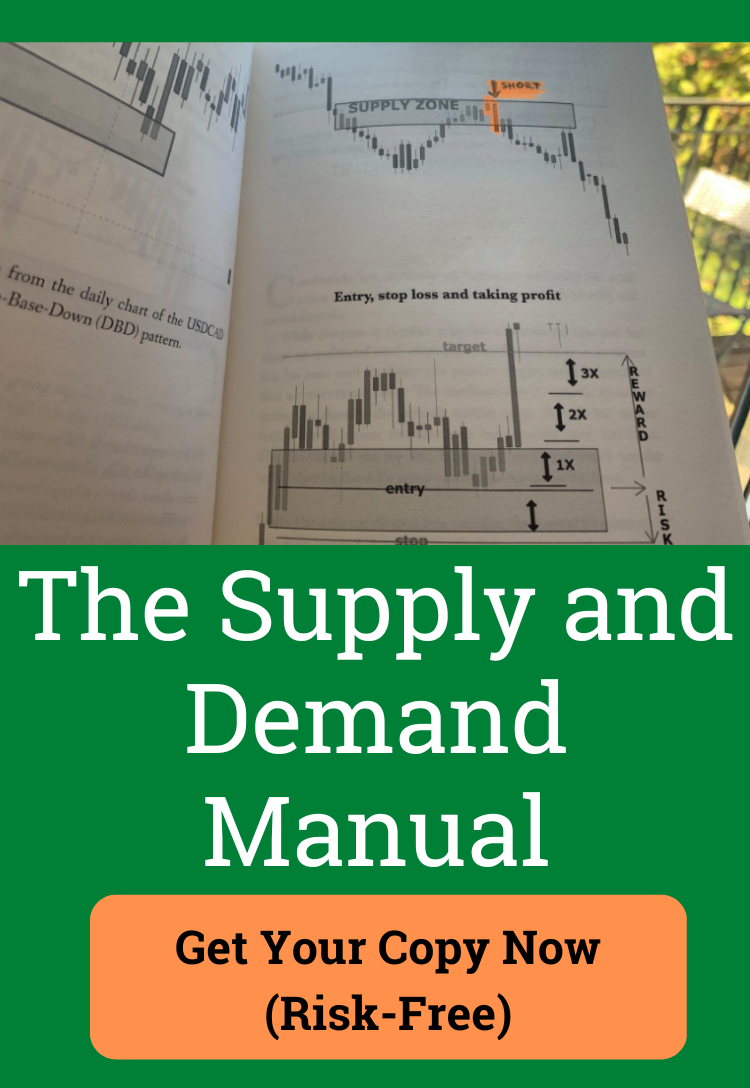
The course path is also unusually practical. Beginners can start with Basic and Premium plans, then move into specialized programs like the Ultimate Supply & Demand course or the Day Trading programme. There's a free Trading Potential Quiz, plus instant access to the first two chapters of an Amazon bestseller on price action, which gives cautious buyers a real way to test the teaching style before paying. You can see the course entry point at Colibri Trader's free day trading course page.
Why it stands out for the right personality
Colibri Trader suits traders who want direct instruction and don't need a flashy community to stay engaged. The emphasis is on discipline, money management, repeatable patterns, and personal mentorship, not certificates or badges. That makes it a strong option for self-directed learners, especially those frustrated by indicator-heavy systems that create more noise than clarity.
Practical rule: If you keep second-guessing your entries, a price-action course is usually a better match than a tool-heavy system. Simplicity helps you see what the market is doing instead of what an indicator says it did.
Social proof is another reason traders look here. Colibri Trader says it has 8,000+ course takers and hundreds of positive reviews, and it's been featured by outlets including FX Empire, Forex Factory, New Trader U, and StockTwits. That combination of guided progression, mentorship, and a clear method makes it one of the strongest options for traders who care more about execution quality than credentials.
The trade-off is equally clear. If you want a formal diploma or a certificate to show others, this won't satisfy that goal. If you want a tight, action-first system that teaches you how to trade with more consistency, it's a serious contender among the best day trading courses online.
2. Warrior Trading
Warrior Trading is built for traders who like structure, repetition, and a defined path. The curriculum is laid out in tiers, and that matters because some learners do better when they can follow a sequence instead of piecing together random lessons from clips and chats. The platform's momentum style also suits traders who prefer fast setups and clearly defined playbooks.
A good match for system-driven learners
The offer includes Starter, Pro, and Pro Special memberships, plus live stream and chat options for students who want more interaction. QuantVPS notes that Warrior Trading's pricing ranges from $797 to $3,997, which tells you where it sits in the market, this is a premium education product, not a cheap entry point. It also bundles tools like Day Trade Dash, its real-time data simulator and integrated software, which can simplify the stack for traders who don't want to patch together multiple platforms.
The best fit here is a trader who wants to learn momentum trading in a controlled environment. The published syllabus and two-week trial help with transparency, and that's useful because many courses hide the actual workload until after checkout. Warrior Trading's emphasis on technical analysis, trading psychology, and live execution makes more sense for someone who learns by watching a rules-based process unfold than for a trader searching for a flexible, price-action-only model.
Practical rule: If you want a course to hand you a daily routine, scanner logic, and a simulator inside one ecosystem, Warrior Trading is stronger than a loose community with scattered tools.
The downside is fit. The small-cap momentum focus won't be ideal for every trader, especially anyone who prefers slower setups, higher time frame context, or supply and demand work. It's a strong course, but only if its style matches yours.
For traders also comparing platform setup, the course pairs well with the perspective in Colibri Trader's guide to the best trading platforms for day traders, especially if you're trying to keep execution tools and education aligned.
3. Bear Bull Traders

Bear Bull Traders is the one to look at if your real issue isn't finding setups, it's following rules. Andrew Aziz built the platform around psychology, process, and community discipline, and that shows in how the education is organized. Some traders need a lot of structure; others need accountability. BBT is strongest for the second group.
The course mix includes recorded lessons, live onboarding, active chatrooms, and recurring psychology content. That combination works well for traders who want support while they learn, but who still need room to review material on their own schedule. The workflow is less about chasing flashy plays and more about becoming consistent enough to survive the learning curve.
Community first, but only if you use it well
The biggest advantage here is social reinforcement. Traders can compare notes, ask questions, and see how experienced moderators think about risk and trade selection. That can shorten the time it takes to stop overtrading or improvising, especially if you're prone to acting on impulse after a win or a loss.
Bear Bull Traders also fits learners who want a broad entry point without jumping straight into a highly specialized style. It doesn't push one narrow identity as aggressively as some momentum-focused programs do. Instead, it encourages a rules-based process and lets the student develop within that framework.
The community helps only if you treat it like a trading floor, not a casino lounge. Ask how a setup fits your plan, not whether someone else would take it.
The main drawback is complexity. Membership tiers and feature mixes can take time to sort out, and some workflows rely on external tools, which can raise the true cost of getting started. Still, for traders who learn by talking through decisions and seeing how others manage psychology, Bear Bull Traders remains one of the most practical choices in the field.
If your learning style leans collaborative, it belongs near the top of your shortlist.
4. Investors Underground
Investors Underground is one of the strongest picks for traders who want process over hype. Nathan Michaud's community has long been associated with pre-market planning, trade review, and a routine-driven approach that rewards consistency. That matters because day trading punishes randomness. A trader who plans before the open usually has a better shot at avoiding emotional decisions once the tape speeds up.
The course bundles are broad, including Textbook Trading, Tandem Trader, Momentum, and Legends Playbooks, so the platform can serve traders who want multiple ways to study the market. QuantVPS reports that the library includes more than 1,000 videos, and it also notes subscription options that start at $297 per month, which places IU firmly in the premium category.
Best for traders who want a workmanlike routine
IU's structure is built around nightly watchlists, active chatrooms, weekly study support, and pre-market prep. That's valuable if you're the type who wants a daily operating rhythm instead of a loose menu of lessons. The environment also suits traders who improve by reviewing what happened, then tightening the next day's plan.
Practical rule: If you skip pre-market preparation, you'll turn a strong course into expensive entertainment. IU is built for traders who actually do the homework.
The trade-off is straightforward. The pricing is higher than some community-based services, and the subscription policy is less forgiving because there's no refund on subscriptions. That makes it a better choice for traders who already know they'll use a structured room and ongoing study, not for casual buyers trying a course on a whim.
For readers who want mentorship layered on top of a rules-based environment, the content on Colibri Trader's trading mentorship programs is a useful comparison point, especially if you're deciding whether you need live accountability or just a disciplined curriculum.
IU fits traders who value repetition, planning, and a professional tone. If that sounds like your learning style, it's one of the most credible names in the space.
5. SMB Training
SMB Training is the closest thing on this list to a professional desk education. It feels different from retail-focused communities because the emphasis is on how traders at a firm think about preparation, tape reading, PlayBook building, and risk control. That appeals to traders who don't just want setups, they want a framework that looks and feels like institutional development.
The platform's offerings include Inside Access, which gives daily desk sessions with game planning and trade reviews, plus longer-form courses such as DNA of Successful Trading and The Winning Trader. That progression is useful because it lets a trader move from foundation to specialization without jumping straight into advanced content before the basics are stable.
For traders who want professional habits
SMB is strongest when the student wants to think like a desk trader. The curriculum pushes trade review culture, tape reading, risk controls, and PlayBook construction, all of which are hard to fake if you're serious about improving. The more you trade, the more valuable that structure becomes, because it forces you to define what you do well.
The options training pathways also widen the audience. A trader who wants to move beyond equities and into more specialized work gets a path that still preserves the desk-style discipline. That's useful for intermediate traders who've outgrown generic lessons and want sharper feedback.
The drawback is accessibility. Pricing varies by program and isn't always publicly listed for equities, so buyers often need to inquire. That's normal for higher-touch education, but it means SMB isn't as frictionless to evaluate as a simpler membership site.
This is a strong fit if you're analytical, serious, and comfortable with a more demanding environment. If you want a polished community with lots of casual discussion, this won't feel as warm. If you want a professional standard, it's one of the better options available.
6. Humbled Trader Academy
Humbled Trader Academy works best for traders who want a supportive, realistic learning environment without the hype machine. Shay Huang's public presence has always leaned toward transparency, and the academy follows that tone with structured content, live touchpoints, and a community that helps newer traders stay grounded.
The membership combines a day trading course, an options course, a Discord community, weekly pre-market planning, midday livestream mentorship, and periodic one-on-one sessions. That mix is appealing because it supports both self-paced learners and people who need live reinforcement to stay consistent.
A fit for beginners who need steady feedback
This academy suits traders who learn by watching a process, then asking questions as they go. The weekly rhythm helps newer traders avoid the common mistake of trying to master too many patterns at once. It's also useful for intermediate traders who know the basics but still need accountability and clearer trade planning.
The trade-off is the annual membership model, which means the cost of keeping access active keeps recurring. Mixed third-party reviews also mean buyers should read the refund terms carefully before committing. That doesn't make the academy weak, it just means the fit matters more than the marketing.
Practical rule: Community is valuable when it sharpens your execution, not when it gives you permission to overtrade. Use the livestreams and Discord to refine entries, exits, and risk, not to chase every alert.
Humbled Trader's public tone makes it a particularly good match for traders who don't want inflated promises. The lesson style feels more human than most, and that can help beginners stay patient through the ugly middle stage where progress is real but slow.
If you want a course that blends mentoring, accessibility, and realistic expectations, this is one of the safer bets in the lineup.
7. My Investing Club
My Investing Club is a strong option for traders who learn by watching live execution instead of only studying recorded lessons. That matters because some traders don't absorb a strategy until they see it unfold in real time with context, pacing, and decision-making. MIC leans into that style with a daily live stream, long and short watchlists, and an active Slack community.
The platform also includes one-on-one mentorship calls, workshops, and a large video library with 1,000+ videos. QuantVPS also notes a 30-day promo/full-access offer, which gives new members a way to test the environment before fully committing. For traders who want a lot of exposure to live market commentary, that's a meaningful advantage.
Strong for real-time learners
MIC fits traders who want direct observation and frequent contact with moderators. The daily stream helps translate theory into execution, and the 24/7 moderation in Slack supports people who need ongoing accountability. If you're the type who learns quickly from seeing setup selection in motion, this environment can be effective.
The drawback is schedule dependence. To get the full value, you need to be around when the live sessions happen, and that can be restrictive if you're in a different time zone or can't trade during the stream. Ongoing membership pricing after the promo isn't as clearly listed on the same page either, so buyers should check terms before treating it like a fixed-cost commitment.
My Investing Club is best for traders who want a live room, active mentorship, and a big library in one place. It's less attractive for people who prefer quiet, self-paced study with very little chatter. The style is hands-on, and that's what makes it useful for the right learner.
Top 7 Day Trading Courses Comparison
| Program | 🔄 Implementation complexity | ⚡ Resource requirements | ⭐ Expected outcomes · 📊 Impact | Ideal use cases | 💡 Key advantages |
|---|---|---|---|---|---|
| Colibri Trader | 🔄 Low, straightforward price-action workflow | ⚡ Low–Medium, course fees, mentorship/community, free samples | ⭐⭐⭐⭐ · 📊 Strong skill & consistency gains (no formal certificates) | Beginners → advanced who prefer indicator-free, price-action trading | 💡 Action-first system; personalized mentorship; award-winning Supply & Demand course |
| Warrior Trading | 🔄🔄 Medium, structured, step-by-step curriculum | ⚡ High, tiered paid memberships, Day Trade Dash simulator, add-ons | ⭐⭐⭐⭐ · 📊 Good for codified momentum/day-trading skills | Beginners who want a codified program with in-house tools | 💡 In-house simulator & scanners; published syllabus; large video library |
| Bear Bull Traders (BBT) | 🔄🔄 Medium, courses + active chatrooms/processes | ⚡ Medium, membership, some external tooling integrations | ⭐⭐⭐ · 📊 Solid rules-based & psychology-focused improvement | Traders seeking community support and psychology/webinar content | 💡 Strong psychology emphasis; multiple mentors/moderators; live onboarding |
| Investors Underground (IU) | 🔄🔄 Medium, bundled courses + routine-driven process | ⚡ Medium–High, subscription model, active participation expected | ⭐⭐⭐⭐ · 📊 Effective for building consistent pre-market routines | Traders focused on nightly/pre-market prep and intraday discipline | 💡 Nightly watchlists, study sessions, seasoned moderators |
| SMB Training | 🔄🔄🔄 High, professional-desk methods and advanced tracks | ⚡ High, program-specific pricing, Inside Access live desk sessions | ⭐⭐⭐⭐⭐ · 📊 Strong professional skill acquisition (tape reading, playbooks) | Traders aiming for desk-style/professional training or prop-style paths | 💡 Pro-desk methodology; daily desk sessions; emphasis on PlayBook & risk controls |
| Humbled Trader Academy | 🔄🔄 Low–Medium, structured course with frequent live mentoring | ⚡ Medium, annual membership, Discord, webinars, one‑on‑one touchpoints | ⭐⭐⭐ · 📊 Good for beginner→intermediate mentorship and routine building | Learners who want supportive community + regular live mentorship | 💡 Clear curriculum; weekly pre-market planning and midday livestream mentorship |
| My Investing Club (MIC) | 🔄🔄 Low–Medium, live trading focus with large on‑demand library | ⚡ Medium, membership, live stream time-zone demands | ⭐⭐⭐ · 📊 Strong observational/real-time execution learning | Traders who learn best by watching live trading and getting 1:1 calls | 💡 Daily live trading streams; founder/moderator mentorship; extensive video library |
Your Next Move How to Commit and Start Trading Profitably
Choosing a course is only the first filter. The actual decision is whether the course matches how you learn and how you plan to trade. A price-action trader usually needs a different curriculum than a momentum trader, and someone who learns through community feedback will struggle in a program built for solitary self-study. If you pick the wrong format, even a respected course can feel useless because the teaching method and your personality are fighting each other.
Before you buy, take a hard look at your own trading habits. If you rush entries and hate complexity, a direct, chart-based program will probably serve you better than a tool-heavy system. If you need accountability, live rooms and mentorship will matter more than polished video libraries. If you prefer quiet repetition, choose a platform with clear modules and a clean path from beginner to advanced work.
Use the free trials, quizzes, sample chapters, and introductory material wherever they're offered. That's the fastest way to see whether the course teaches in a way that sticks. A course should improve how you plan trades, manage risk, and review mistakes. If it only gives you content without changing your behavior, it's not doing the job.
The best traders don't chase every product on the market. They choose one methodology, learn it thoroughly, and practice it long enough for the rules to become automatic. That commitment matters more than the logo on the sales page, because consistency comes from execution, not from collecting more memberships.
Colibri Trader is built for traders who want a direct price-action method, practical mentorship, and a path that focuses on real skill, not badges. If you want a course that helps you trade with more discipline, better money management, and clearer patterns, visit Colibri Trader and see whether its style matches the way you learn.